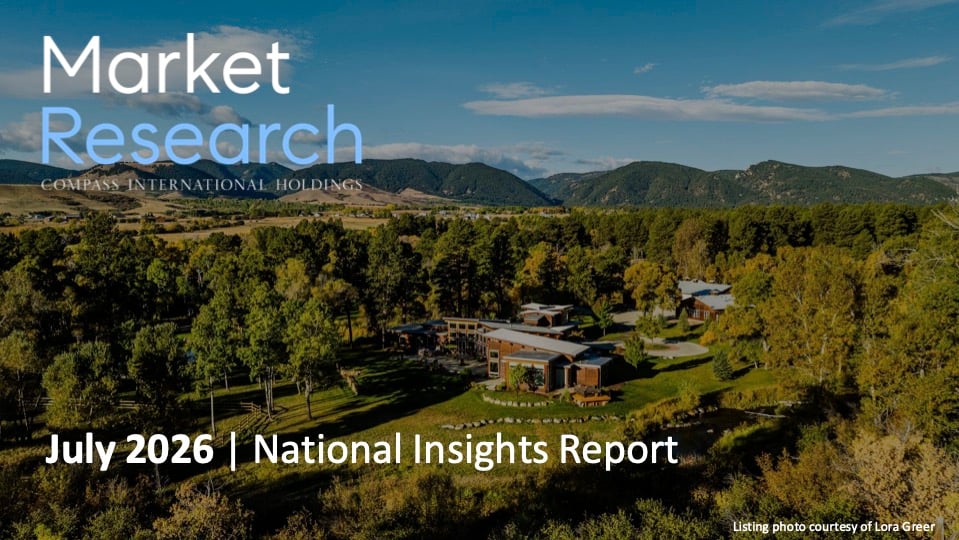
As we move deeper into the spring selling season, the latest Compass National Market Insights report for April 2026 paints a clear picture: the market is active, competitive, but also more balanced than what we’ve seen in recent years.
Let’s break down what’s happening, what’s driving it, and what it means whether you’re buying, selling, or just keeping an eye on the market.
A Spring Market That’s Picking Up Momentum
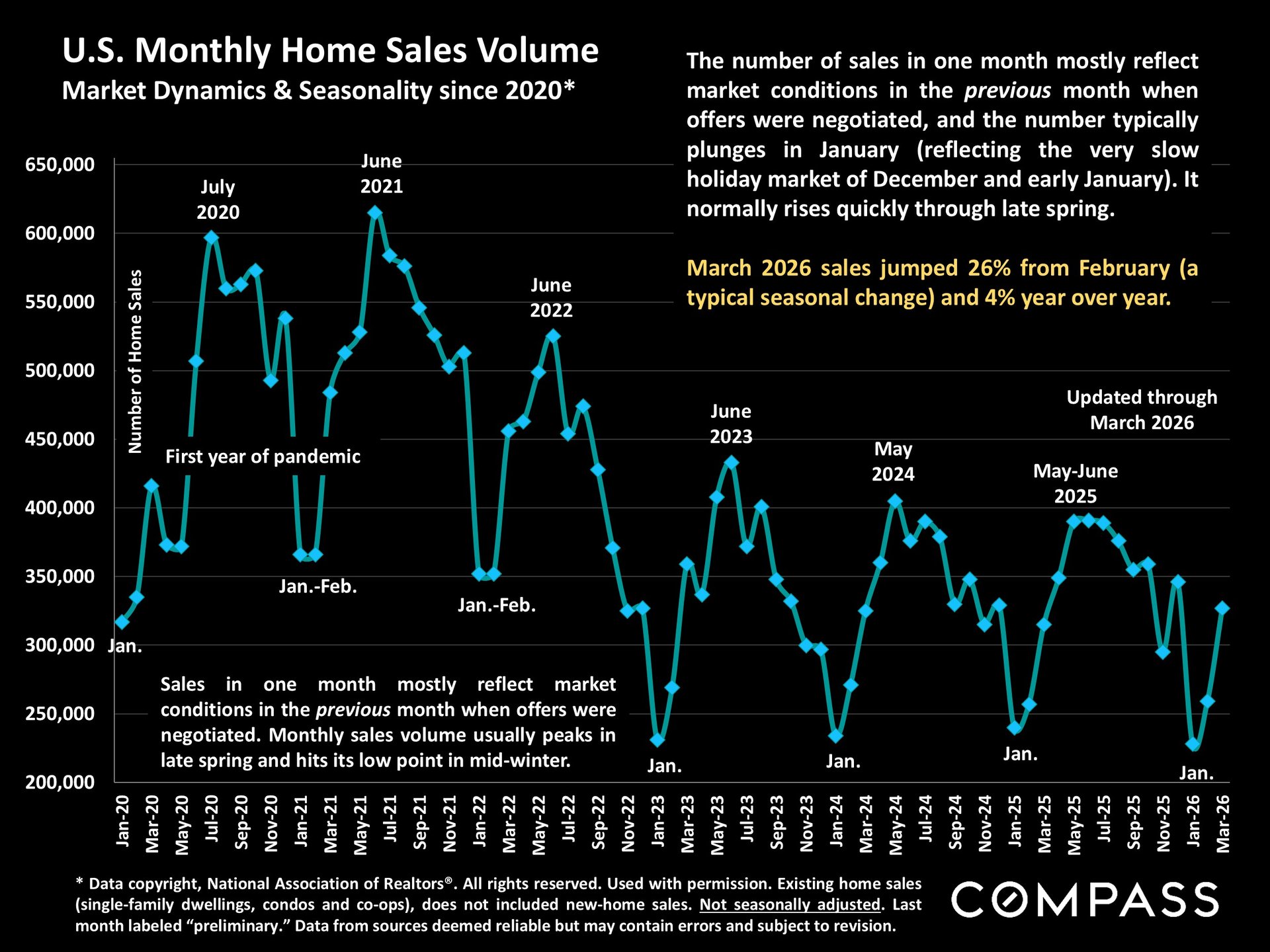
March delivered a strong seasonal surge in activity, something we expect every year, but still important to watch closely.
-
Existing-home sales jumped 26% from February and rose about 4% year over year
-
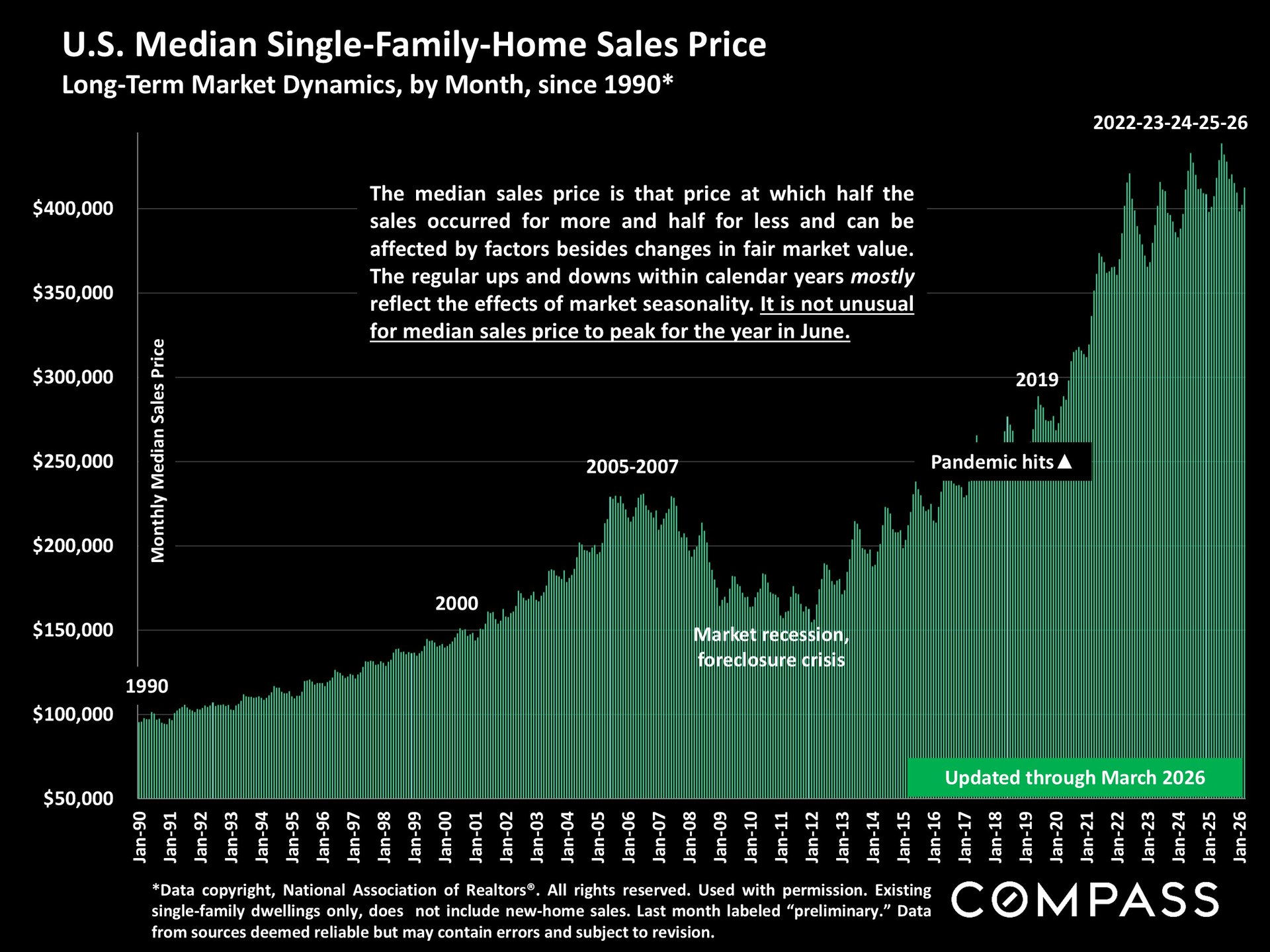
Median home prices increased modestly:
-
+1.3% for houses
-
+2.3% for condos/co-ops
-
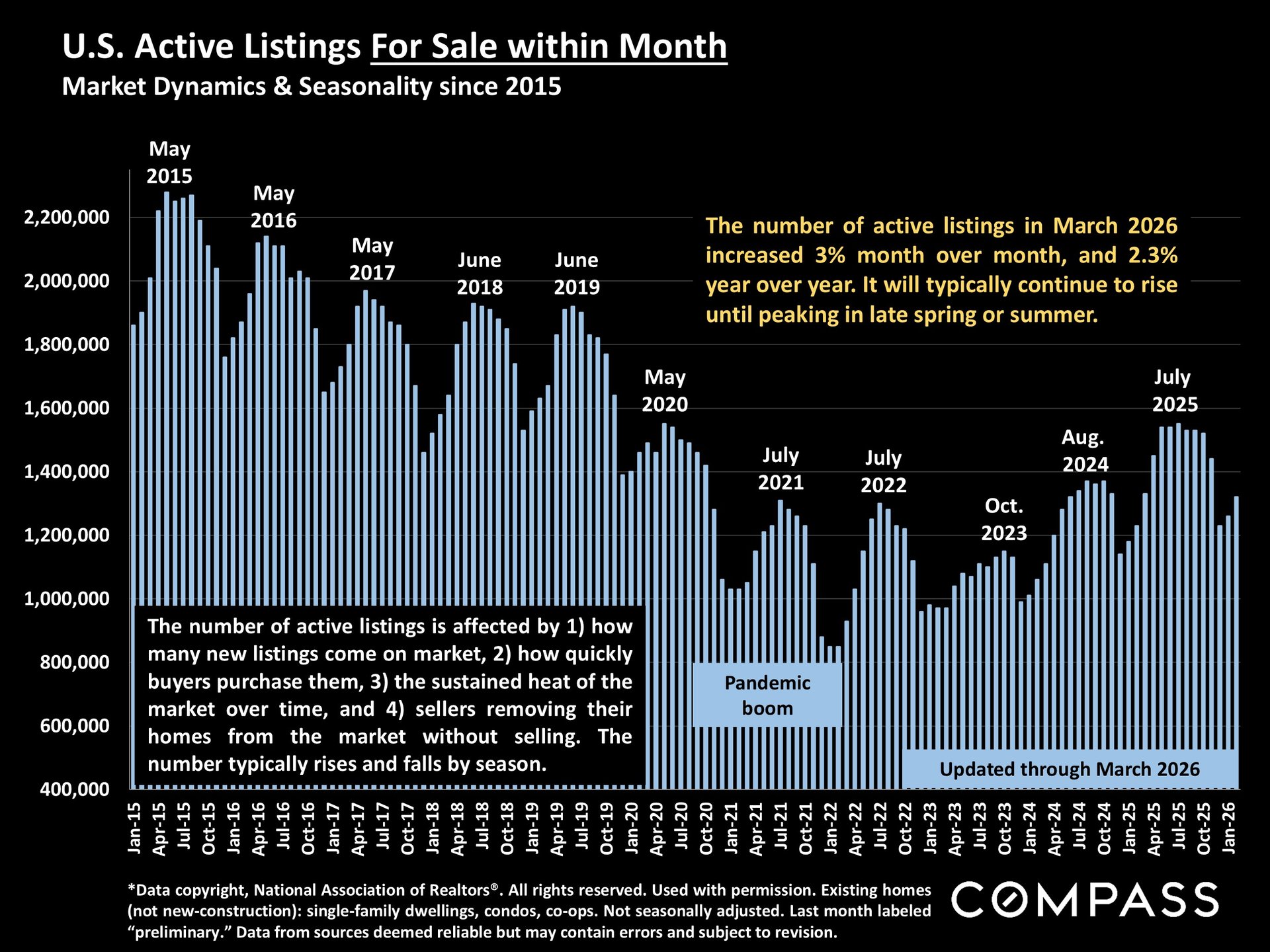
Inventory is slowly improving, up 3% month-over-month and 2.3% year-over-year
This tells us one key thing: buyer demand is active, but supply is finally starting to catch up, at least slightly.
Photos Courtesy of Compass
A More Balanced (But Still Competitive) Market
While the market is heating up for spring, it’s not quite the frenzy of past years.
-
Median days on market: 41 days (up from 36 last year)
-
Homes selling over asking: 18% (down from 21%)
Translation? Homes are still selling, but buyers are gaining a bit more breathing room. The intensity is easing just enough to create more thoughtful decision-making.
That said, well-prepared and well-priced homes are still commanding strong interest and can move quickly, sometimes with multiple offers.
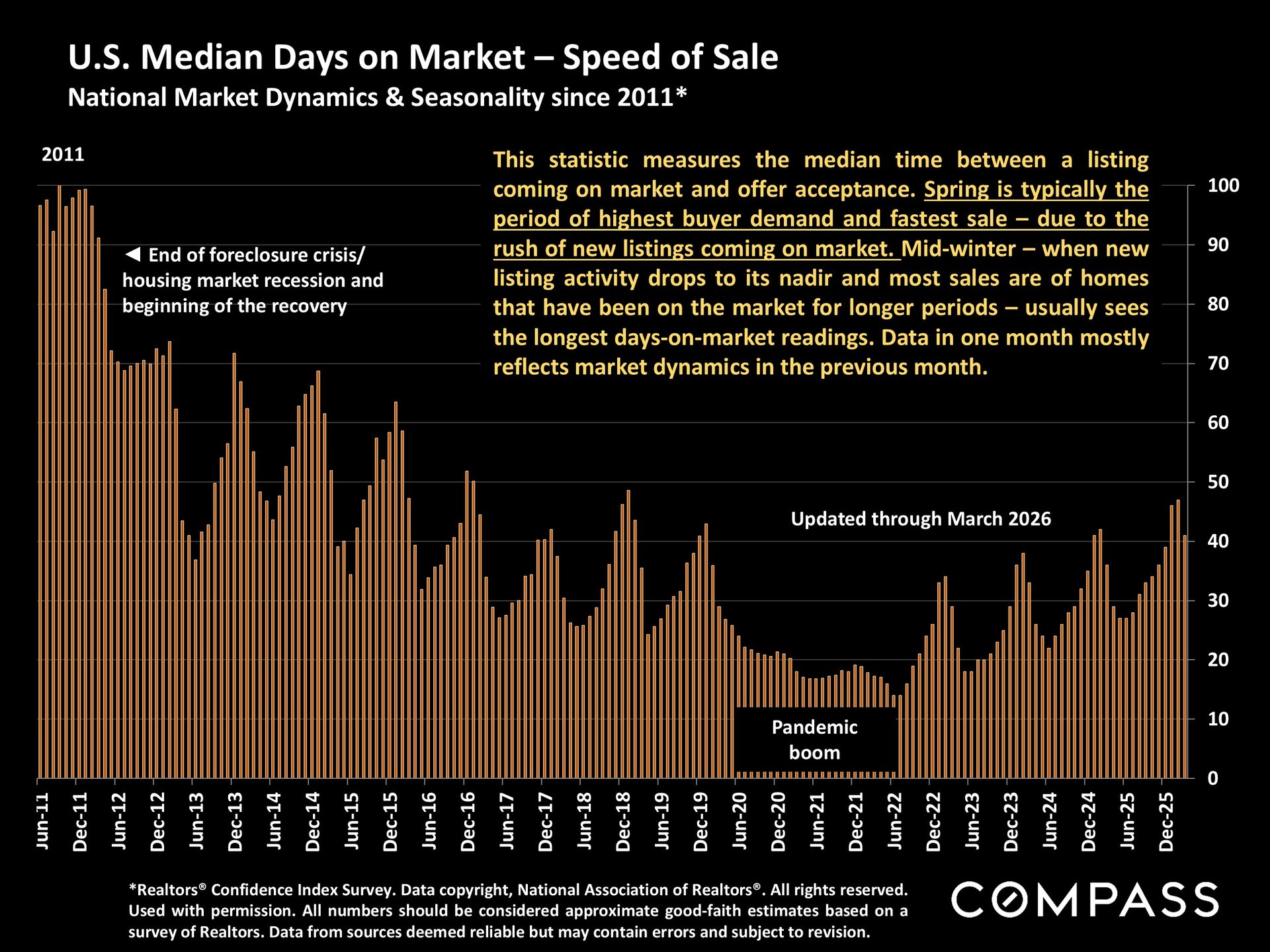
Photo Courtesy of Compass
The Role of Seasonality: Why Spring Matters Most
Real estate follows a predictable seasonal rhythm, and spring is typically the most competitive time of year.
Here’s why:
-
Buyers re-enter the market early in the year, often faster than sellers list homes
-
This creates a temporary imbalance, more demand than supply
-
The result? Rising prices, faster sales, and increased competition
As we head into May and June:
-
New listings typically peak
-
Buyer demand remains strong, but begins to level off into summer
Understanding this cycle is critical. Timing can significantly impact both pricing and negotiating power.
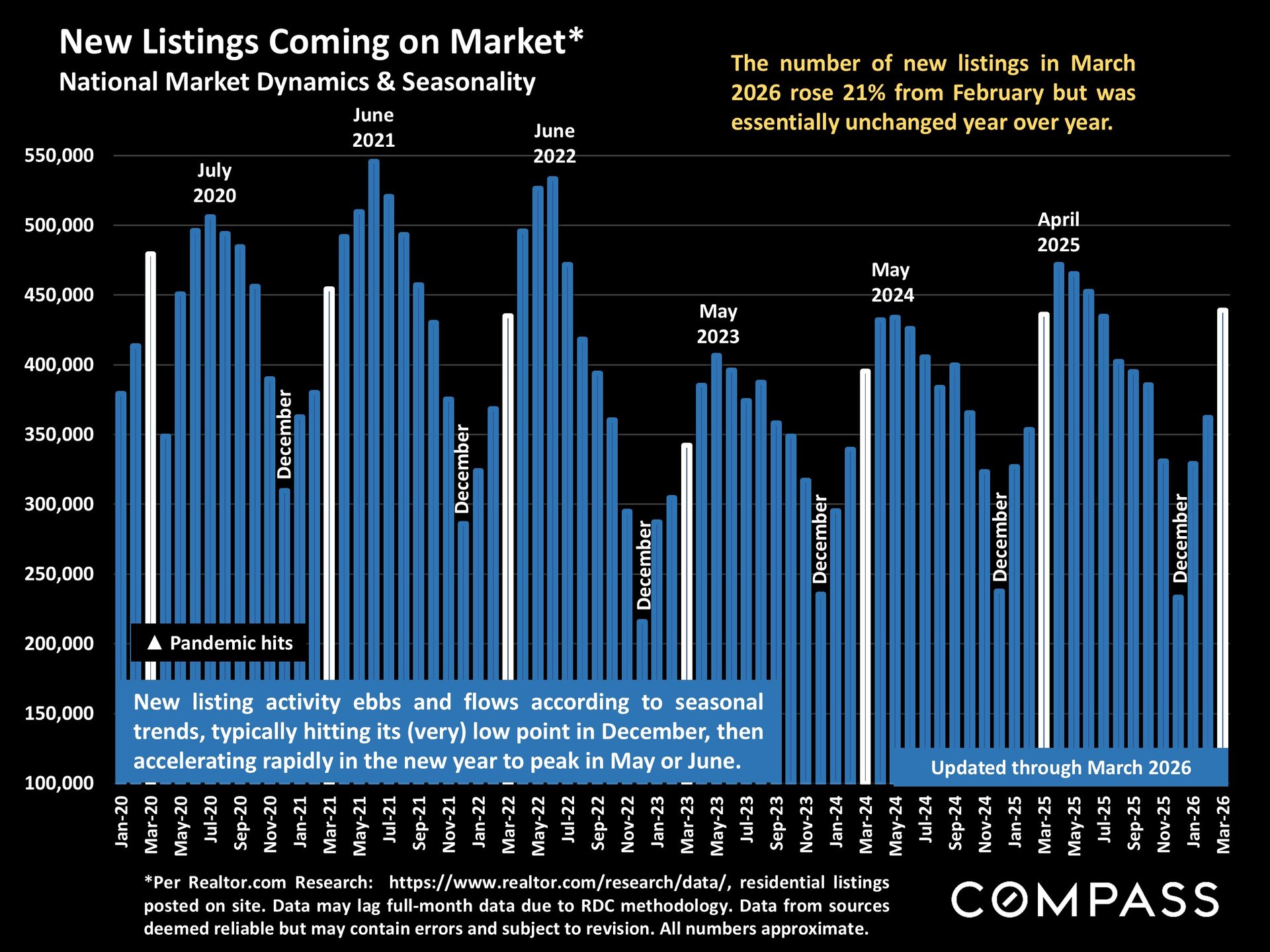
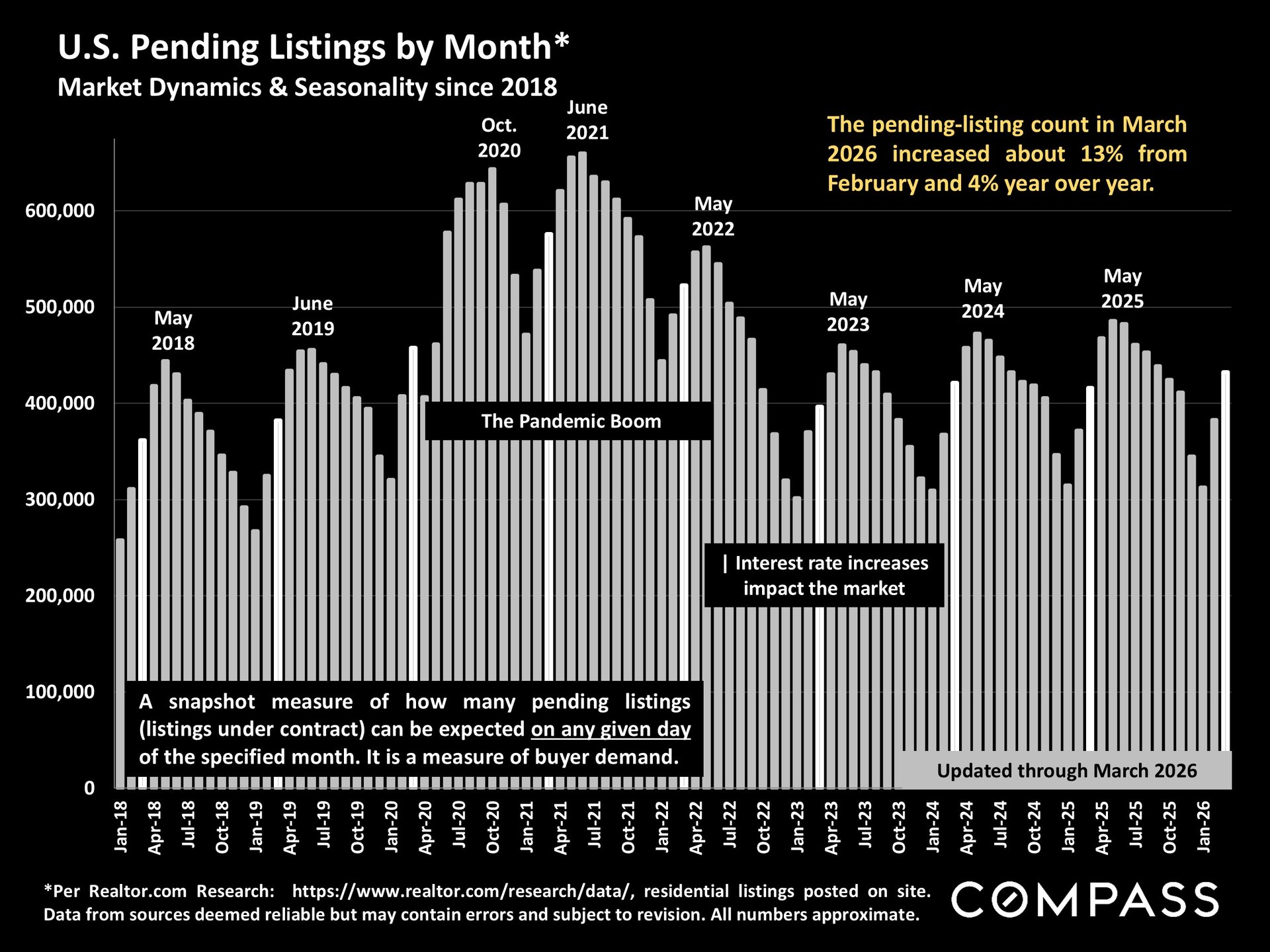
Photo Courtesy of Compass
Economic Factors Are Adding Complexity
This year, the housing market isn’t operating in a vacuum.
Several macroeconomic factors are influencing behavior:
-
Mortgage rates: Around 6.41% (after briefly dipping below 6%)
-
Inflation: Rose to 3.3%
-
Oil and gas prices: Increased sharply
-
Consumer confidence: Recently hit historic lows before rebounding post-ceasefire
Despite global uncertainty and economic volatility, including the impact of geopolitical conflict, the housing market has remained relatively resilient so far.
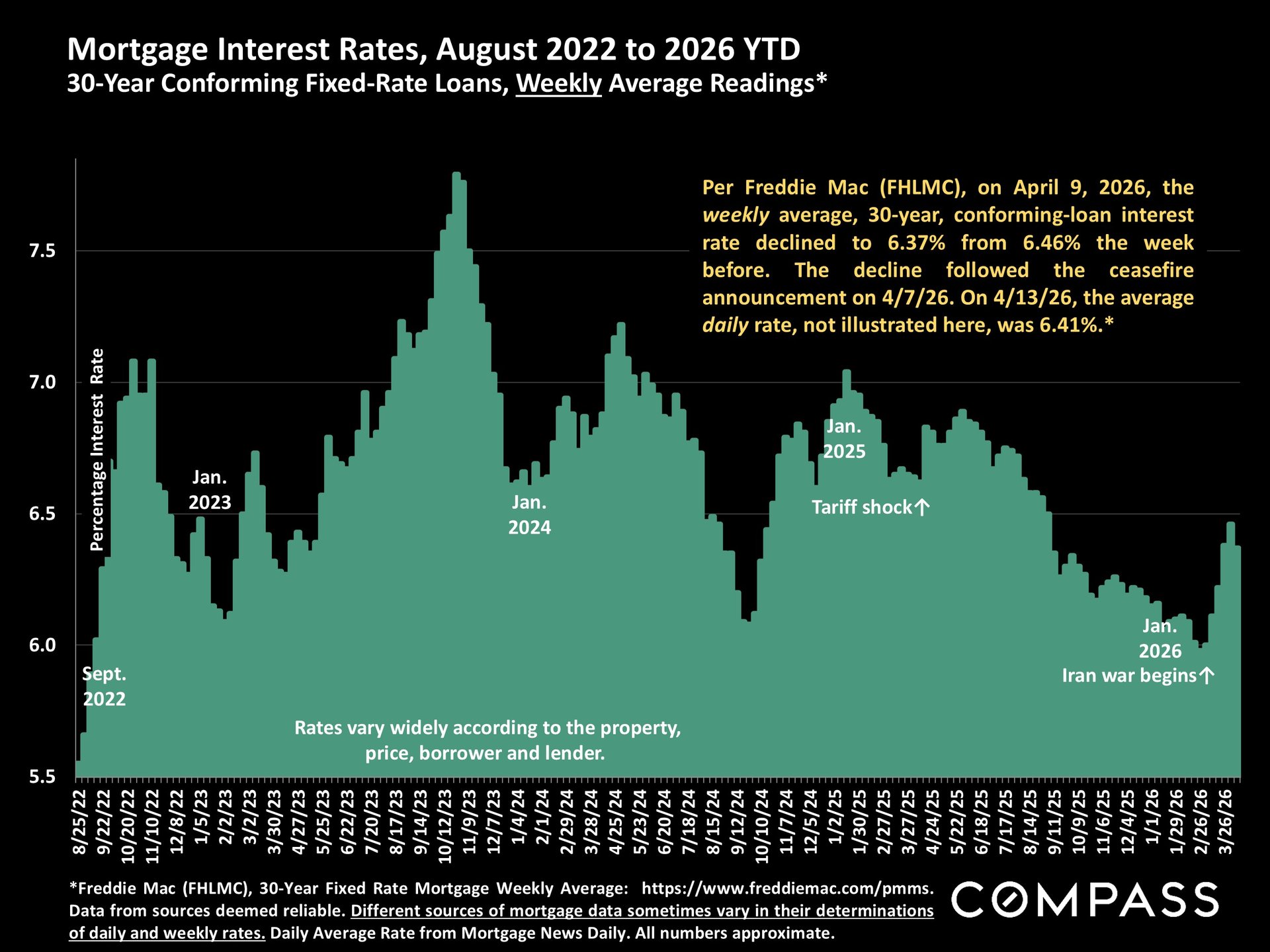
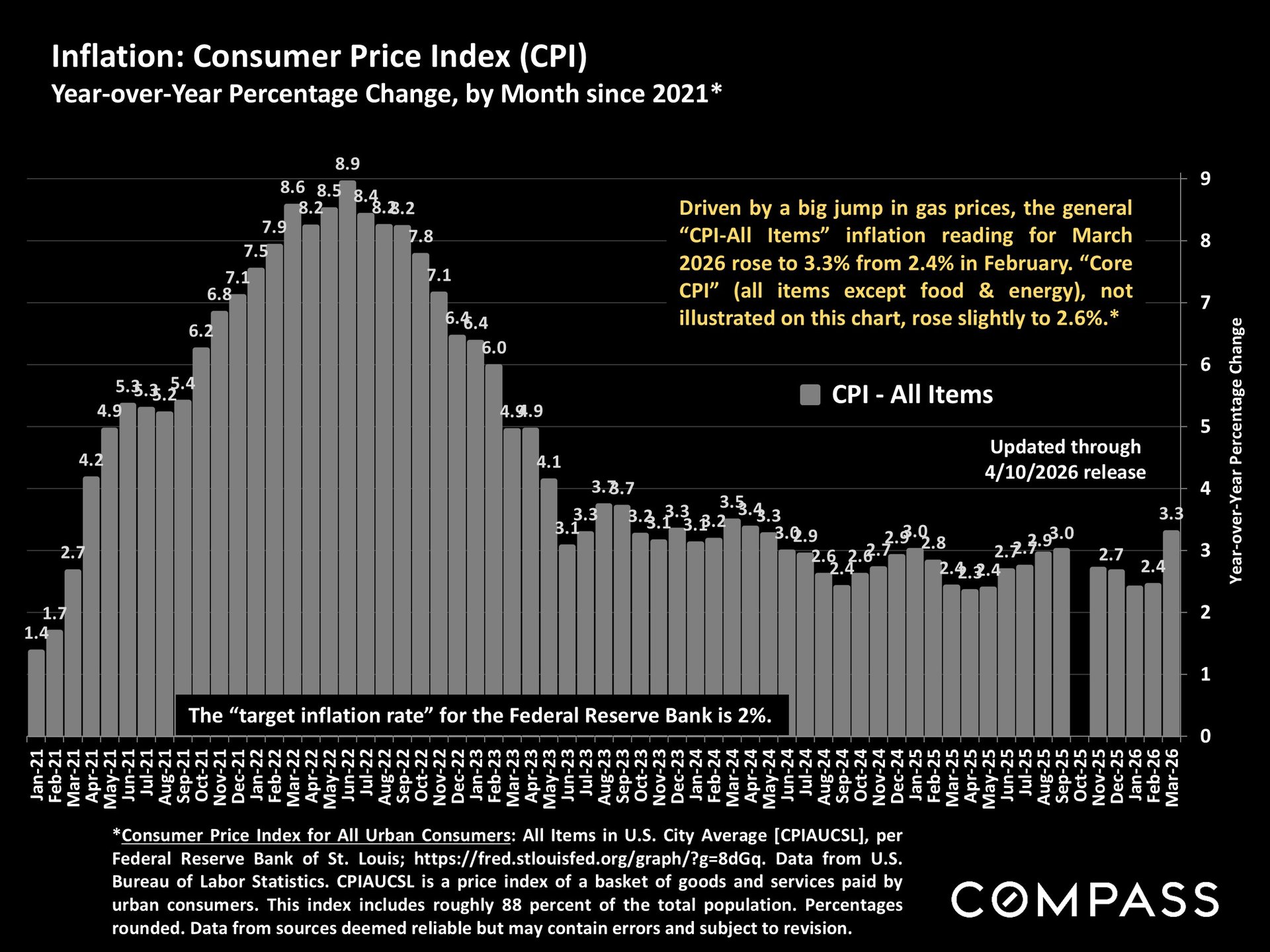
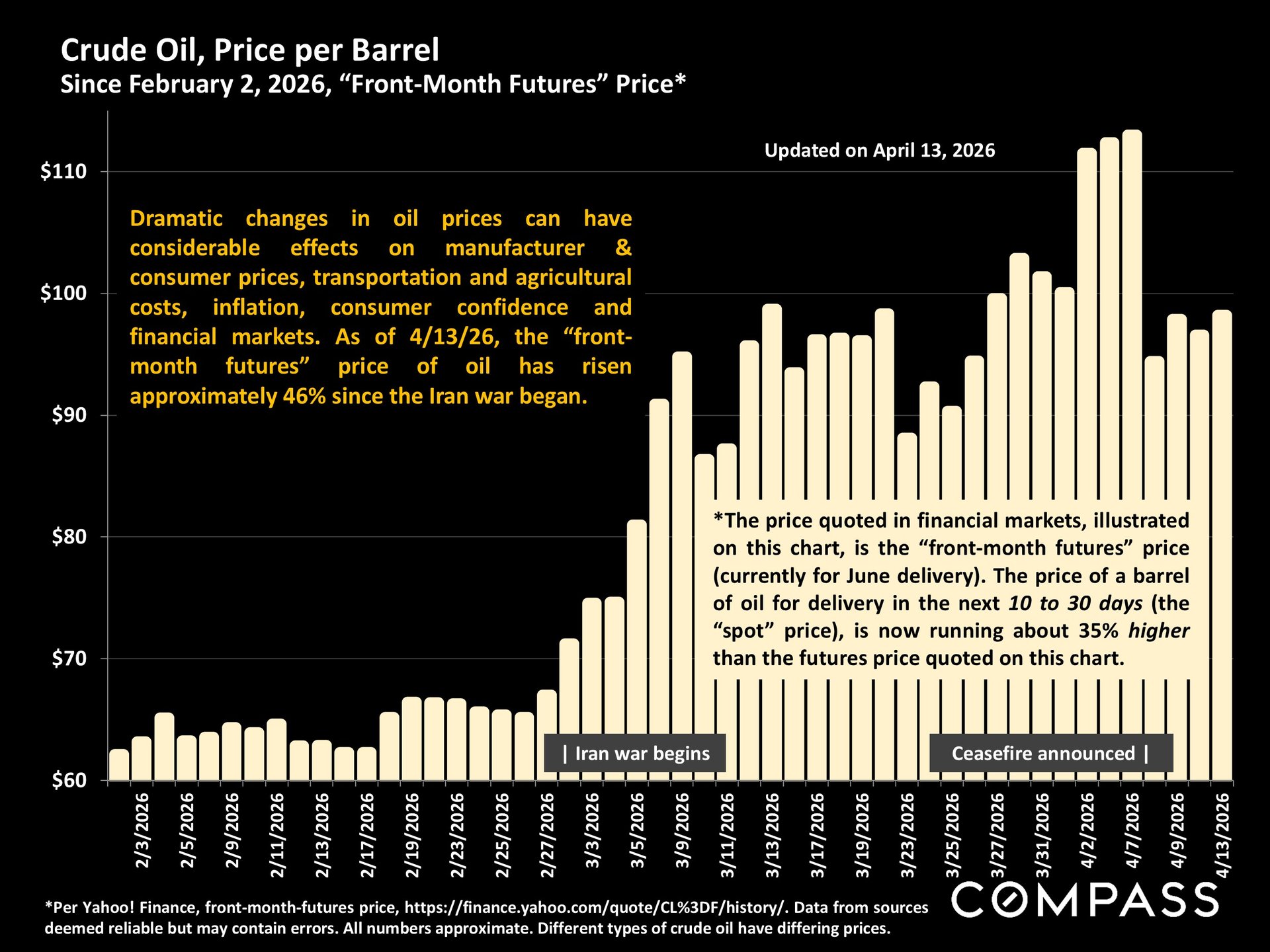
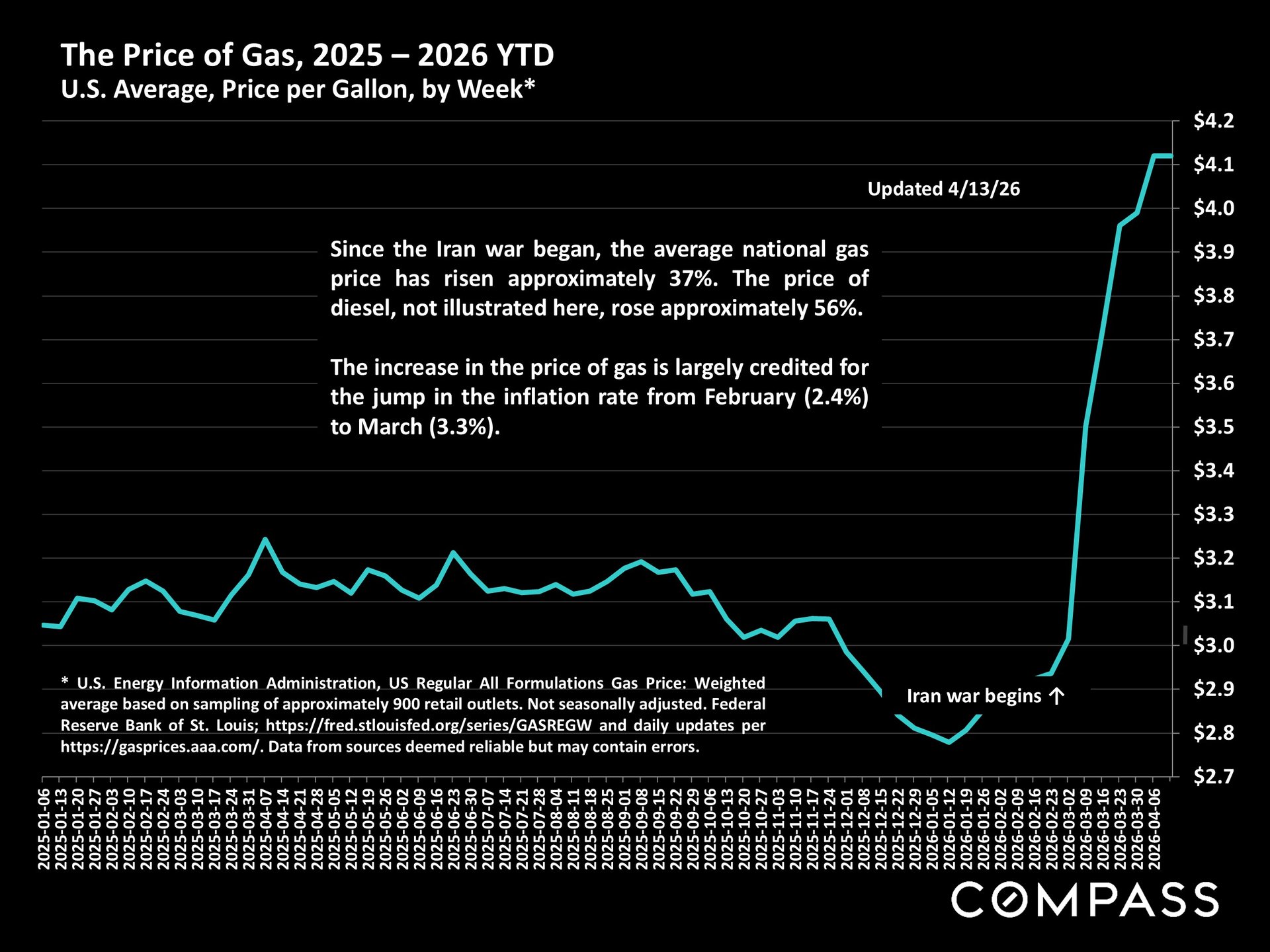
Photo Courtesy of Compass
Notable Buyer Trends
Today’s buyers are adapting in interesting ways:
-
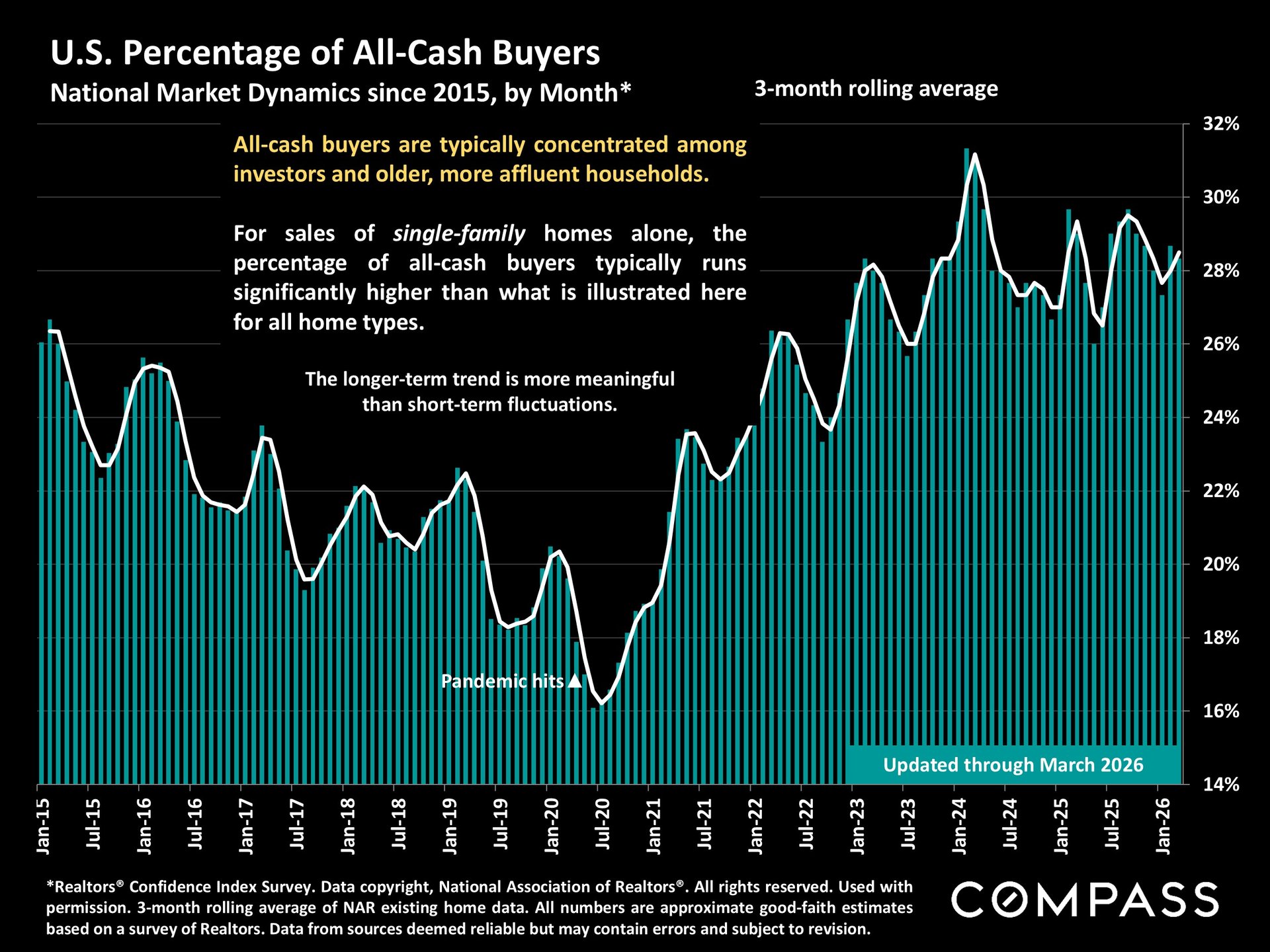
27% of purchases were all-cash
-
5% of buyers purchased sight unseen (online only)
-
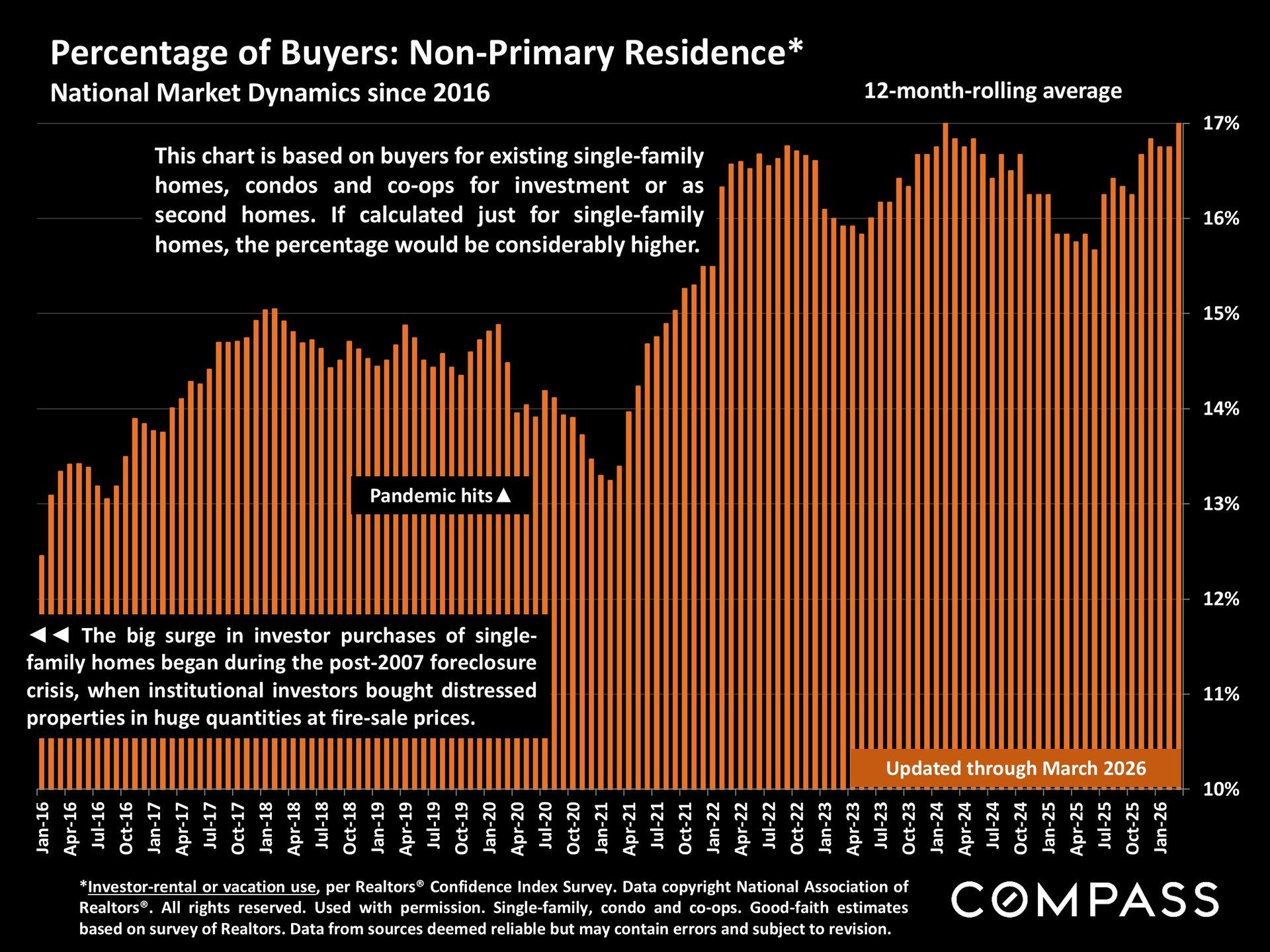
6% of purchases were for vacation homes
These numbers highlight continued flexibility and confidence among certain buyer segments, especially those less impacted by interest rates.
Photos Courtesy of Compass
What This Means for Buyers and Sellers
For Sellers:
Spring is still your moment.
-
Demand is strong
-
Pricing remains near peak seasonal levels
-
Proper preparation and pricing are more important than ever
Overpricing or under-preparing can lead to longer time on market, something we’re seeing more of compared to last year.
For Buyers:
Opportunity is quietly improving.
-
Slightly longer days on market
-
Fewer bidding wars than last year
-
More inventory entering the market
While competition still exists, buyers may find more negotiating power, especially on homes that have been sitting longer.
The Bottom Line
The April 2026 housing market reflects a shift toward greater balance, but not a slowdown.
-
Demand remains solid
-
Inventory is improving (gradually)
-
Economic uncertainty is present, but not derailing the market
As always, every home and every situation is unique. Success in this market comes down to strategy, timing, and execution.

Photo Courtesy of Something Blue Photography
Local Expertise Matters
While national trends provide valuable insight, real estate is ultimately local.
The experts at the Blackshaw Messel Group can help you make sense of these national trends and translate them into what’s actually happening in our local market, so you can make informed, confident decisions whether you're buying, selling, or simply exploring your options. If you’re thinking about making a move, reach out today to start the conversation and put a smart strategy in place for your next step.