As we head into the heart of the 2026 spring and summer housing market, the national real estate landscape is showing signs of renewed momentum, but not without challenges. According to the latest insights, improving economic indicators and stabilizing housing supply are creating cautious optimism, while inflation and elevated mortgage rates continue to weigh on affordability.
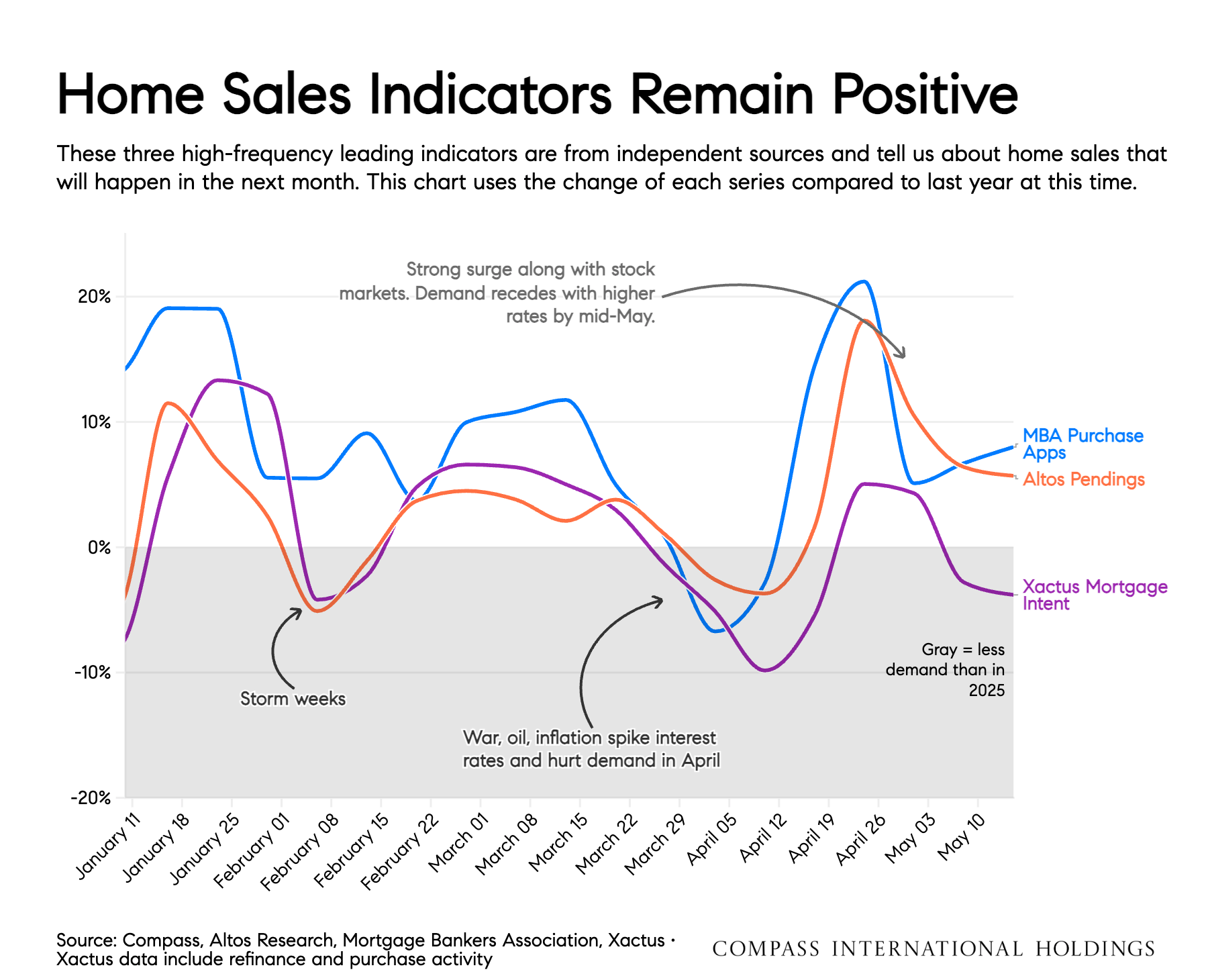
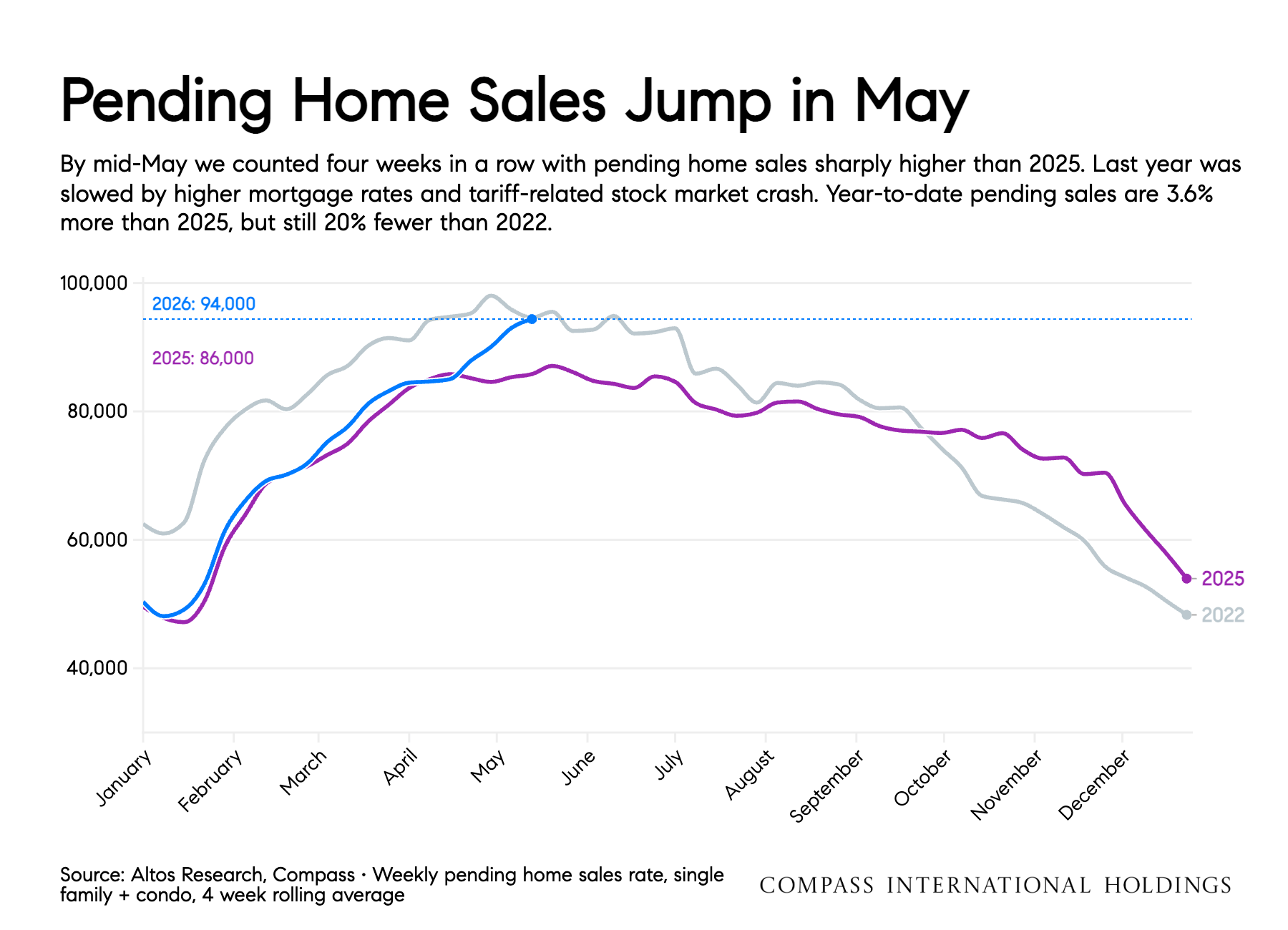
Photo Courtesy of Compass
Encouraging Signs for the Housing Market
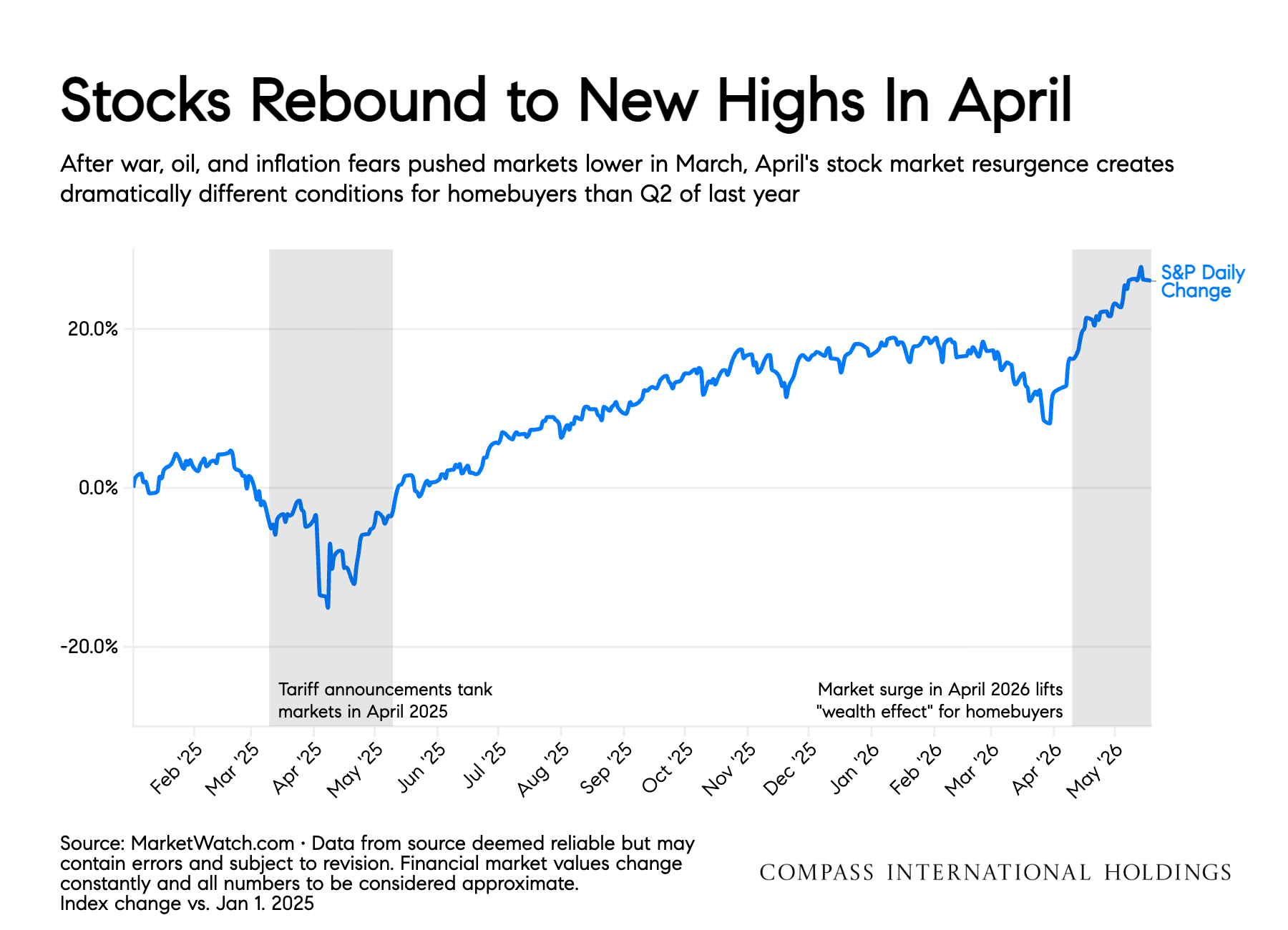
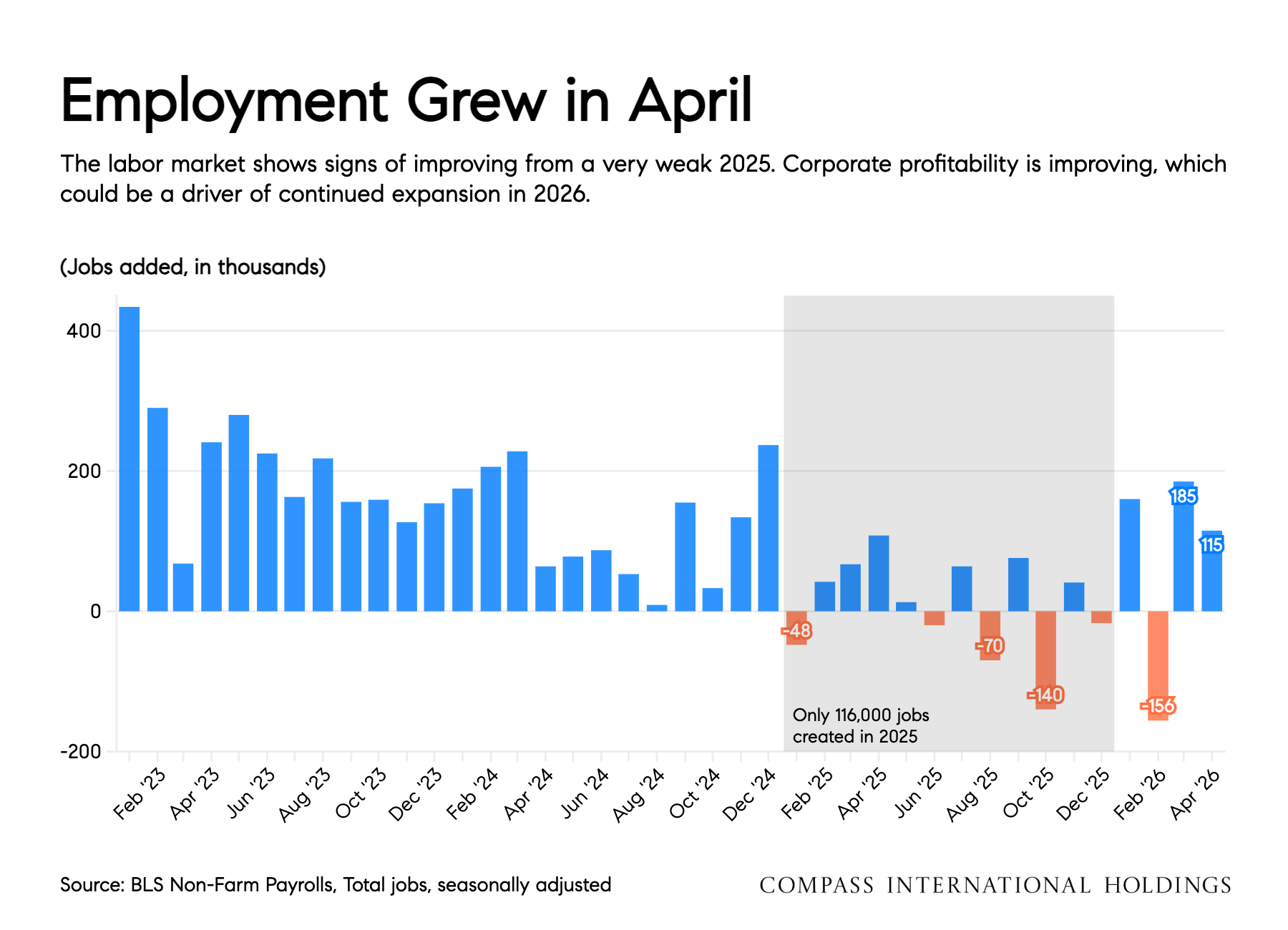
After a sluggish start to the year, several economic indicators are beginning to trend in a more positive direction. Stock markets have surged to new highs, unemployment remains relatively low, and hiring activity, a major driver of housing demand, has started to improve.
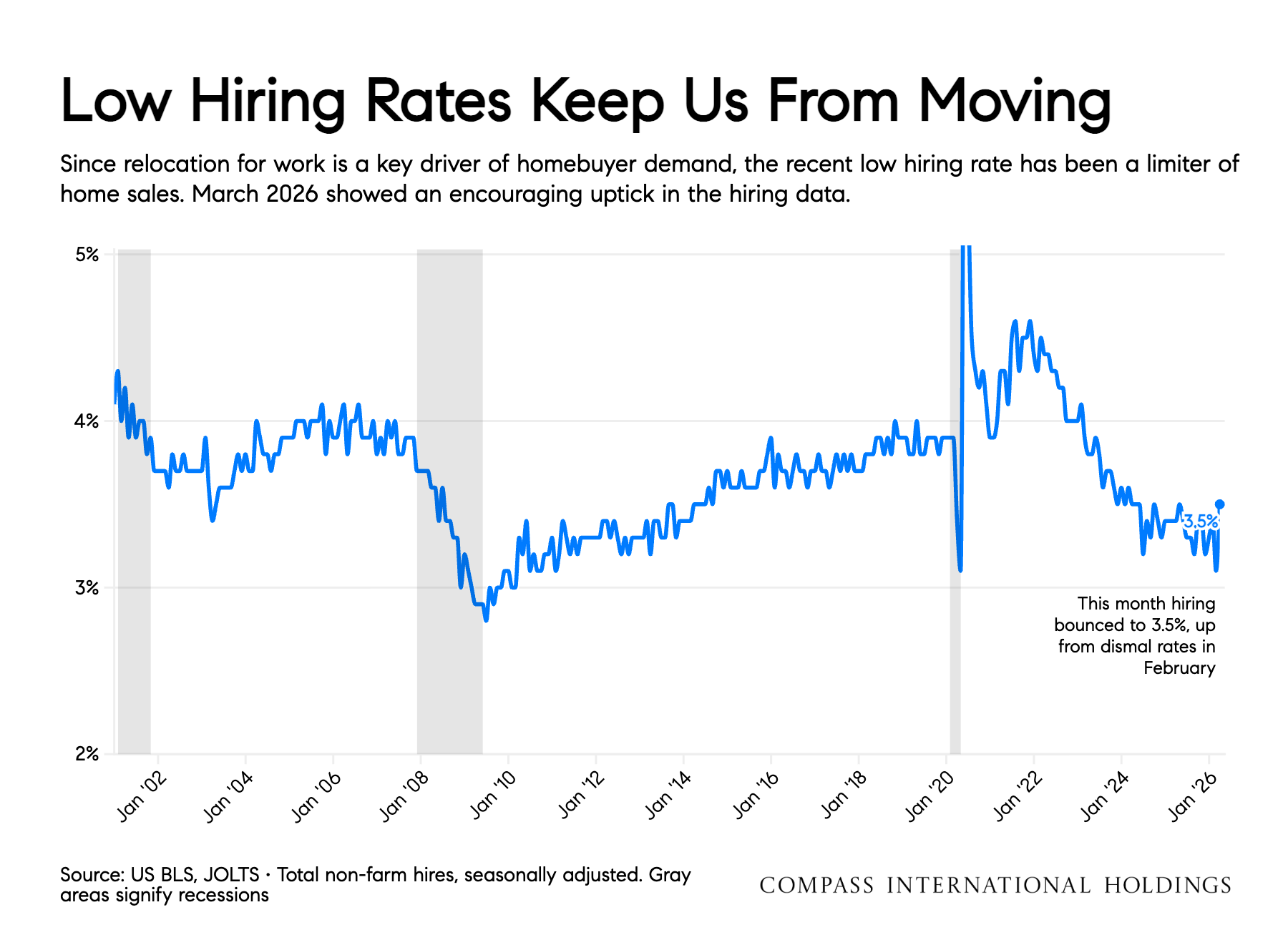
One of the most important metrics this year isn’t unemployment itself, but rather the hiring rate. Historically, job relocation has been one of the strongest drivers of home purchases. When companies hire aggressively, people move. When hiring slows, housing demand softens.
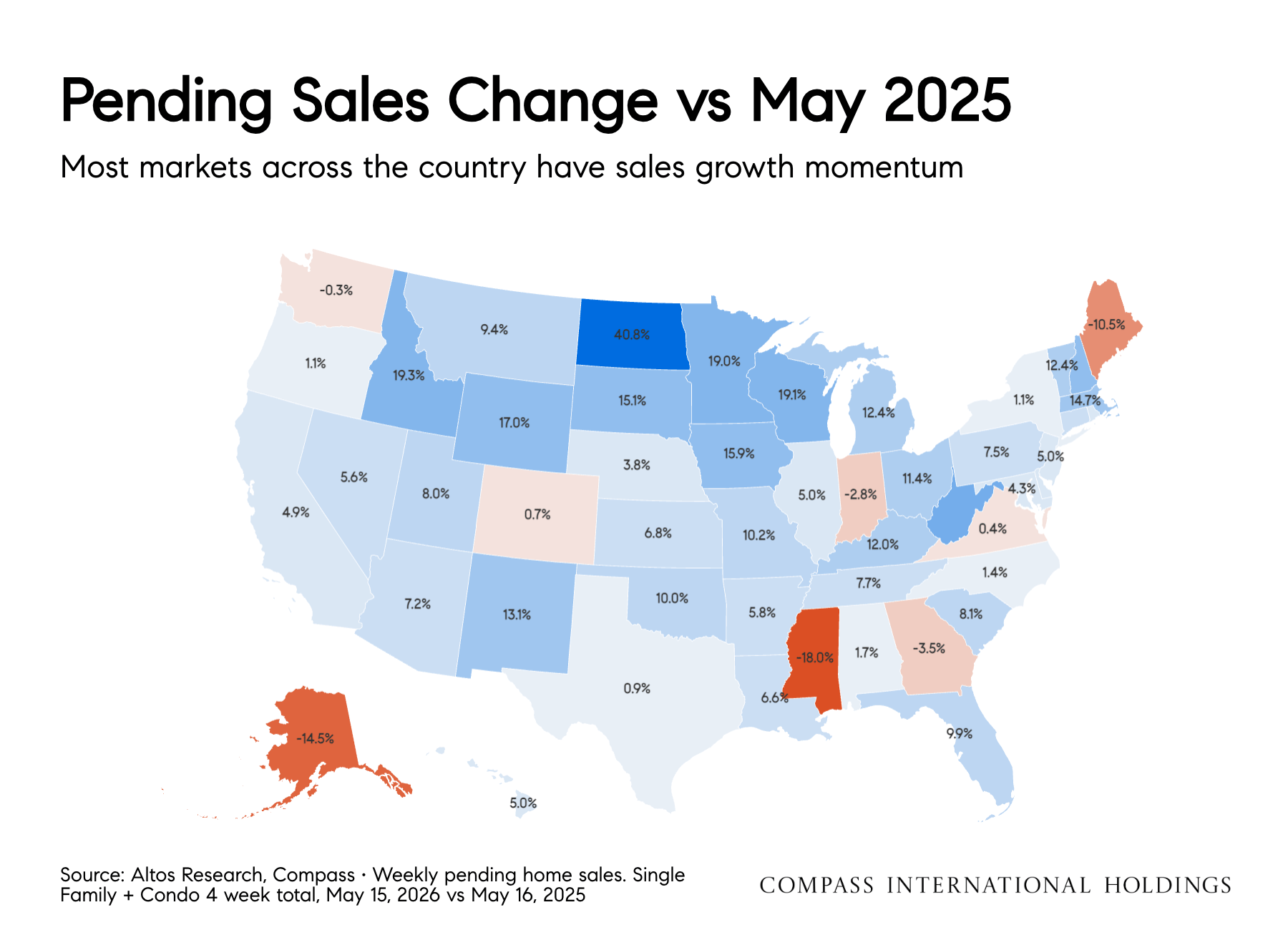
Earlier this spring, hiring rates fell to levels comparable to the pandemic shutdown era. However, April brought a meaningful rebound, with hiring activity climbing back to 3.5%. If this trend continues, it could provide much-needed fuel for home sales throughout the remainder of 2026.
Photos Courtesy of Compass
Inflation Continues to Pressure Mortgage Rates
While some economic news has improved, inflation remains a significant concern.
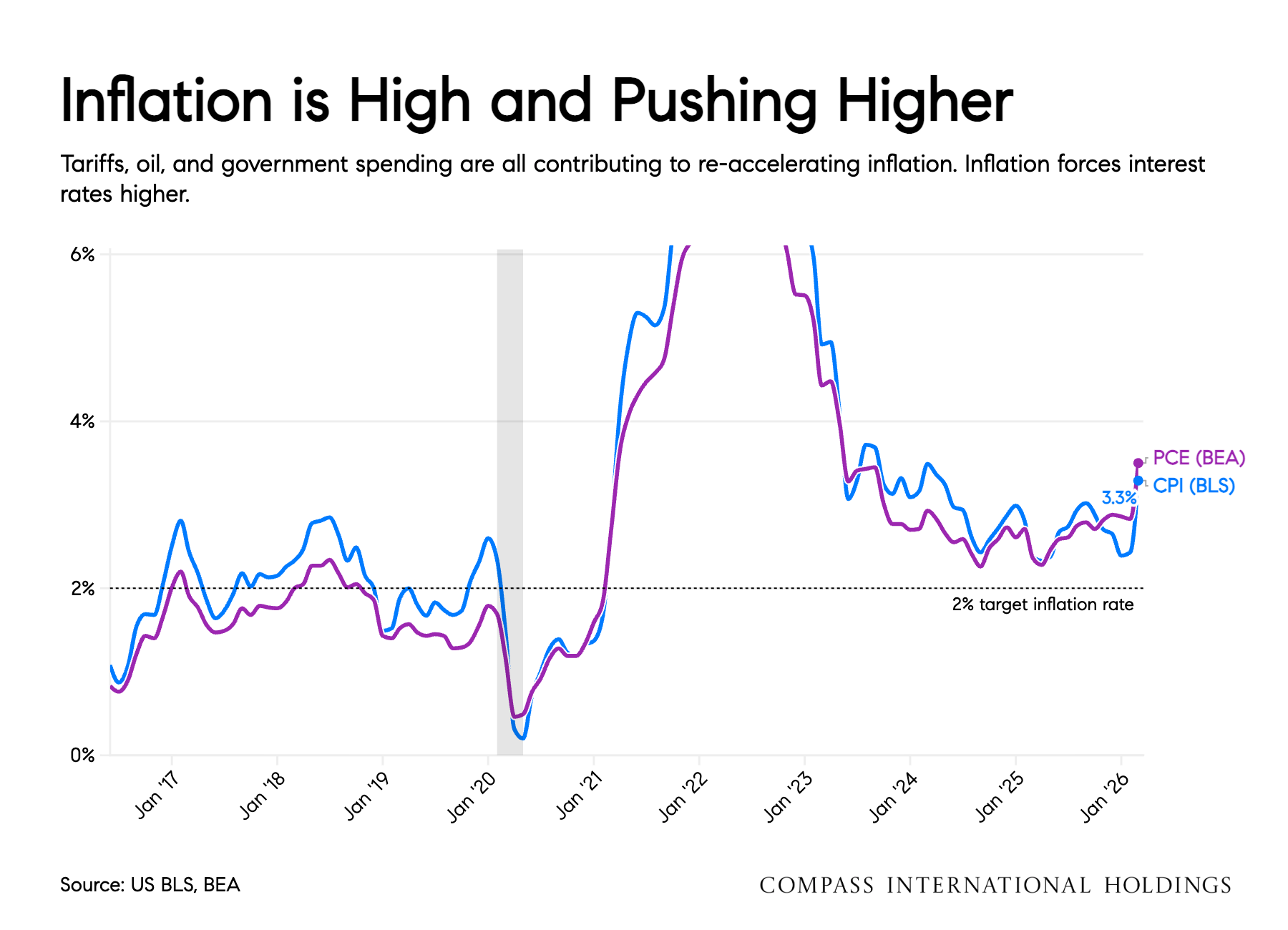
Rising energy costs, tariffs, government spending, and ongoing global instability are all contributing to elevated inflation pressures. Unfortunately for homebuyers, this economic environment does not typically lead to lower interest rates.
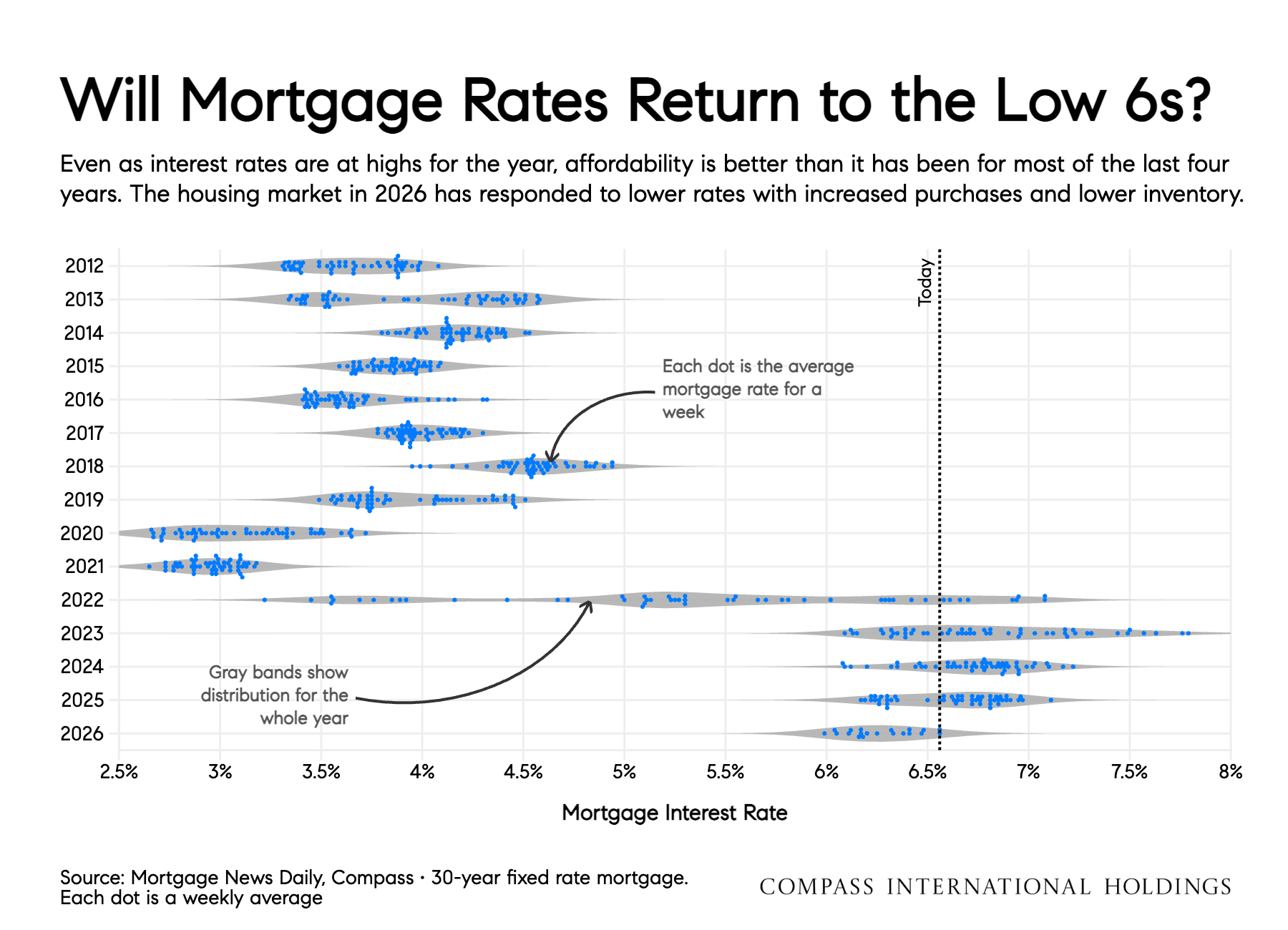
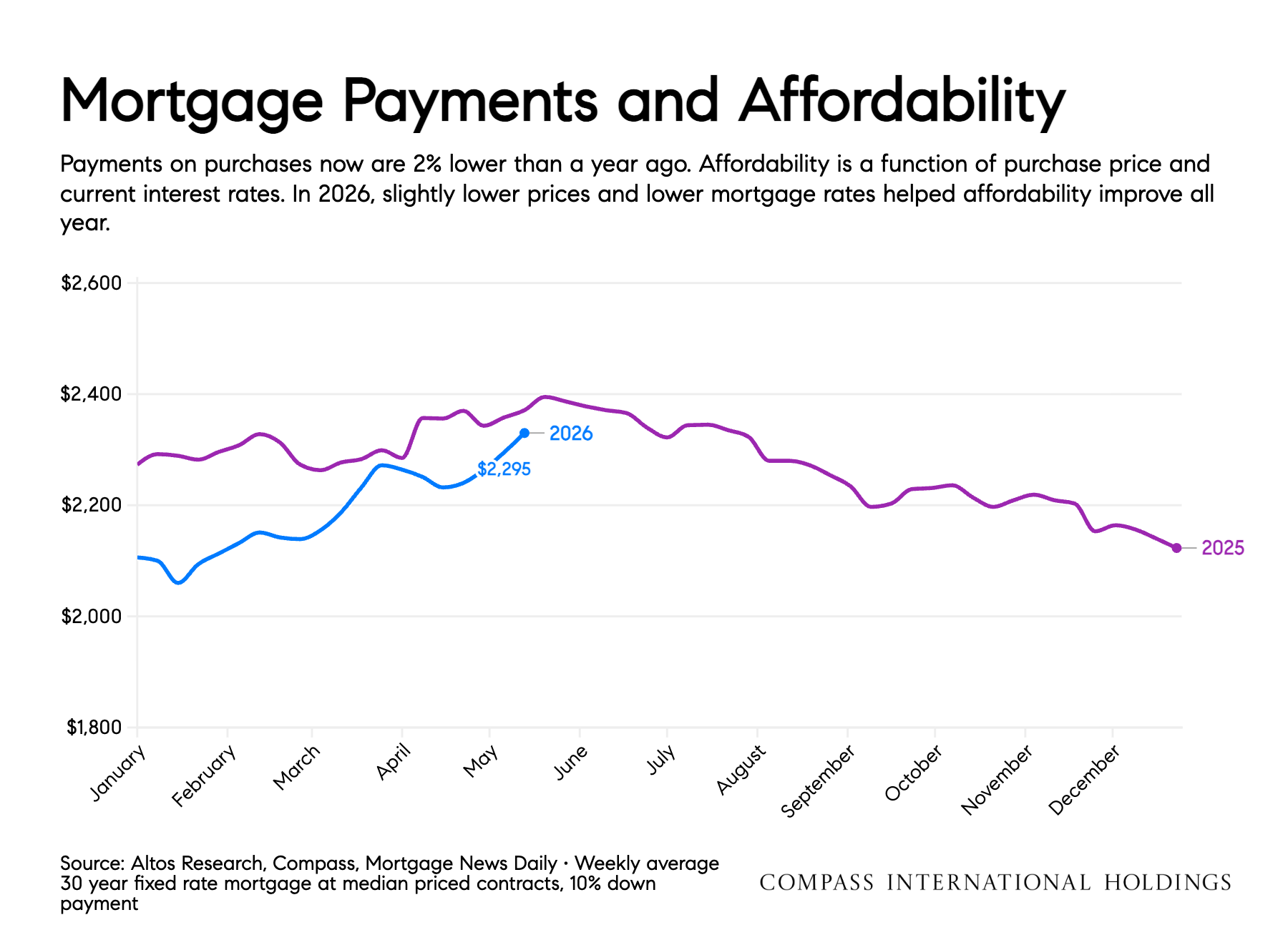
As of mid-May, mortgage rates have climbed to some of the highest levels seen this year. For buyers hoping for lower mortgage rates in the near future, Compass reports that significant rate reductions are unlikely until inflation begins to stabilize and trend downward consistently.
This means affordability will remain a key challenge for many buyers heading into summer.
Photos Courtesy of Compass
Will a Strong Stock Market Boost Home Sales?
One interesting trend to watch is the relationship between rising equity markets and housing demand.
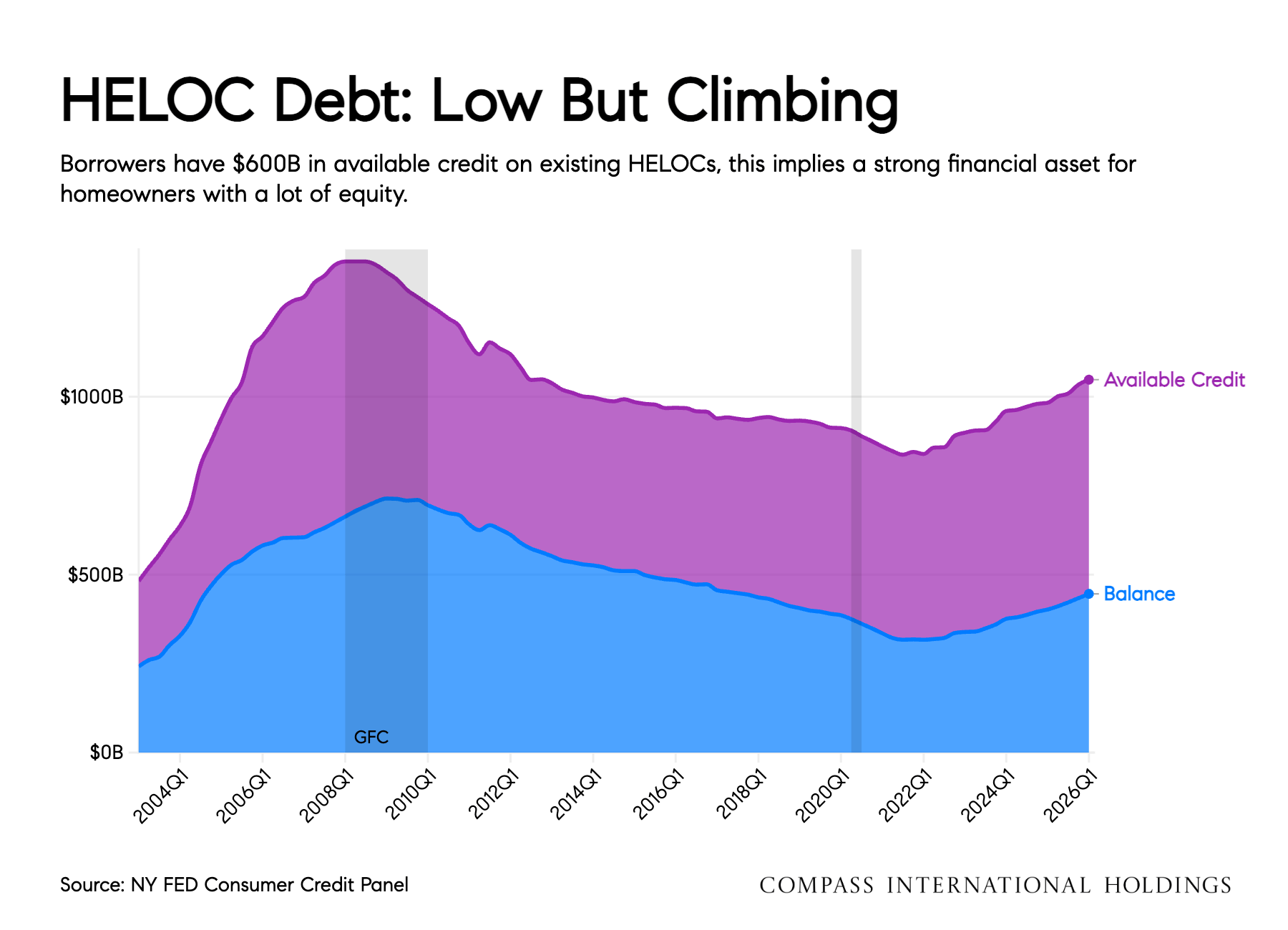
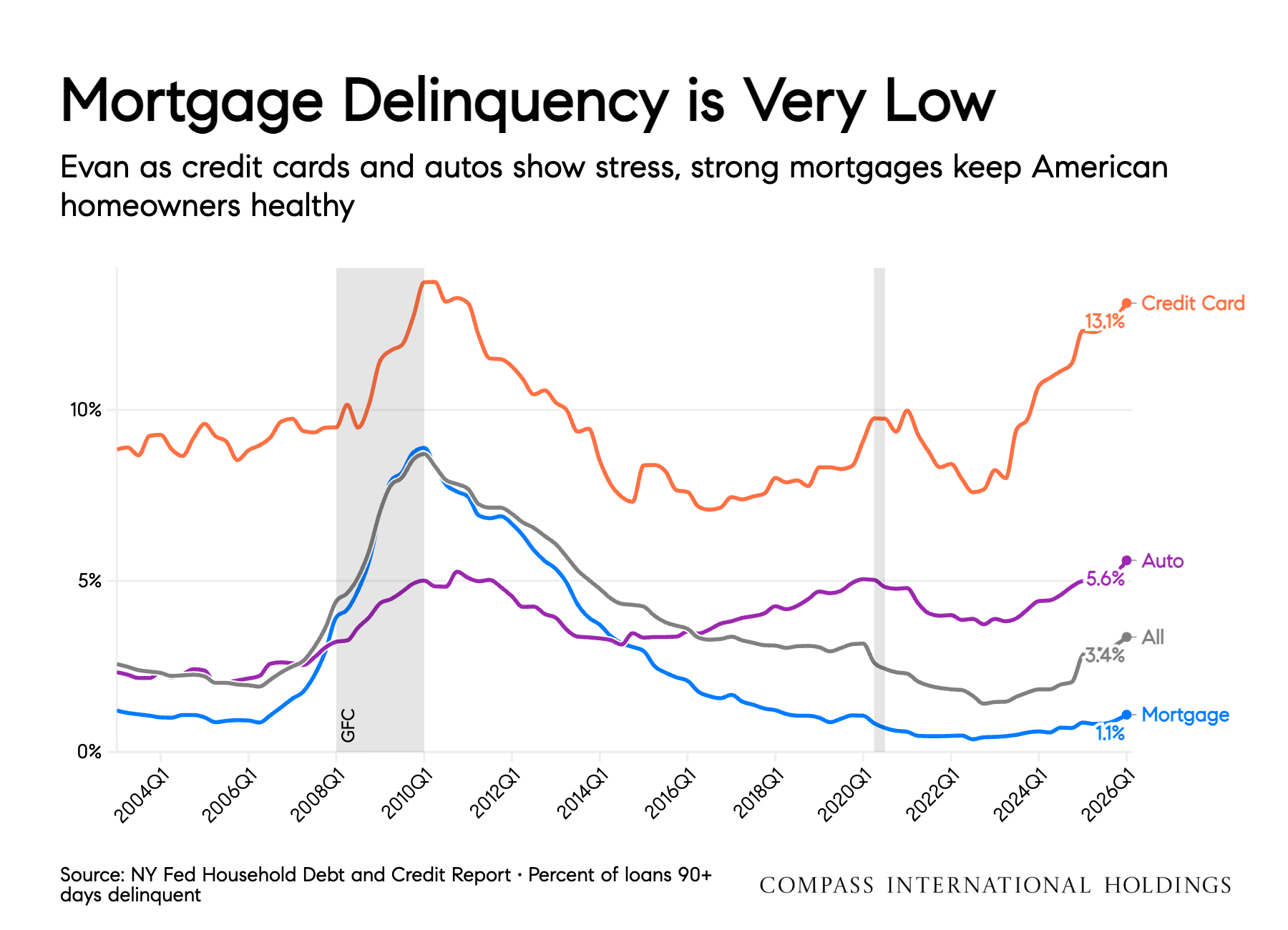
Markets like San Francisco are already experiencing the effects of the AI-driven tech boom, with home prices and rents benefiting from increased wealth creation. The bigger question is whether homeowners and buyers across the rest of the country will feel financially empowered by strong investment portfolios, or constrained by rising everyday costs tied to inflation.
The answer could significantly impact buyer activity during the second half of the year.
Photos Courtesy of Compass
Inventory Trends Are Beginning to Shift
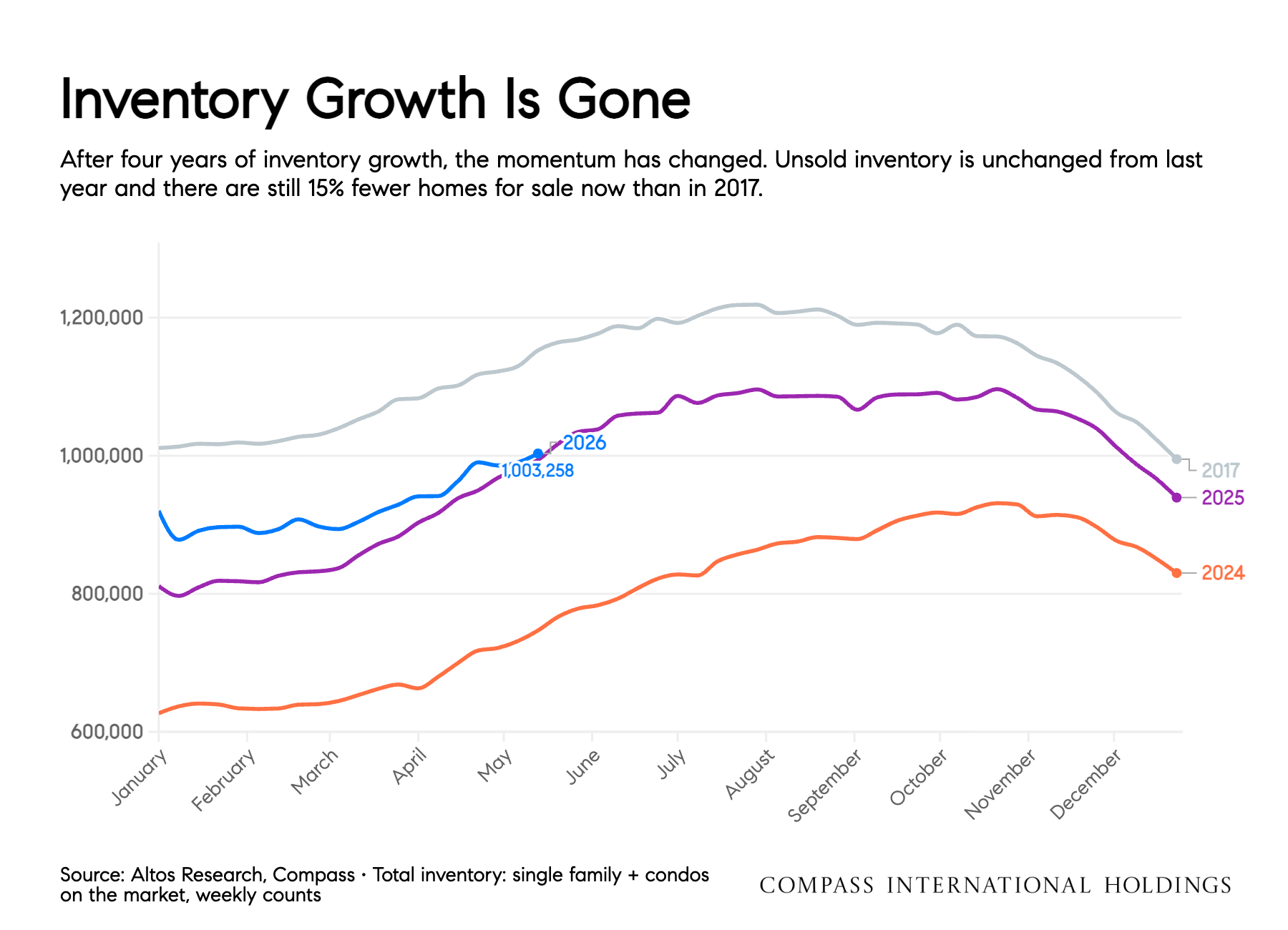
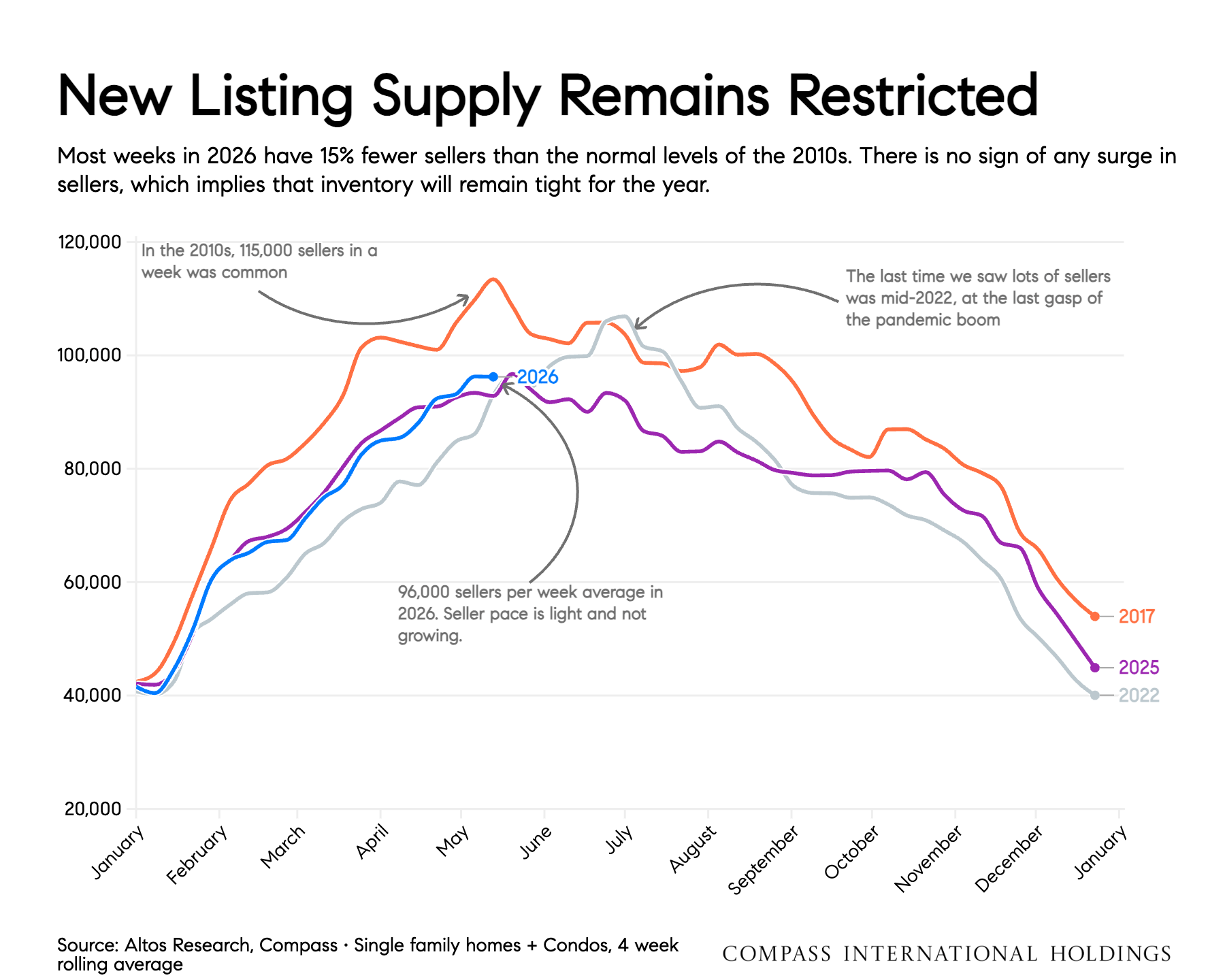
For the past several years, housing inventory steadily increased across much of the country. However, we are now seeing signs that this trend may be changing.
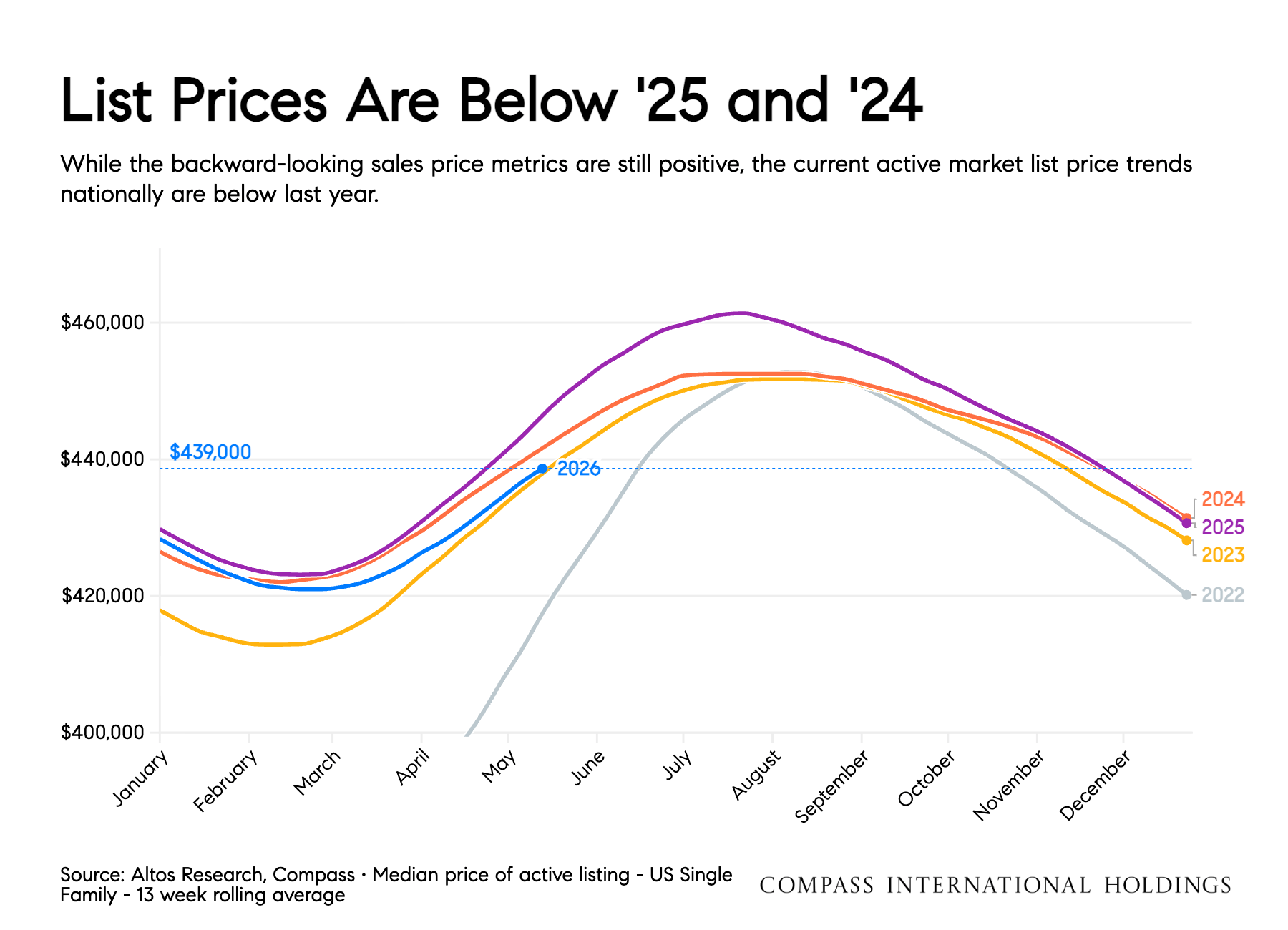
National inventory levels are now roughly flat compared to last year and could even begin declining in some markets. If inventory shrinks further, it could stabilize home prices heading into 2027 after several years of downward pricing pressure in certain regions.
Some markets are already showing signs of turning the corner.
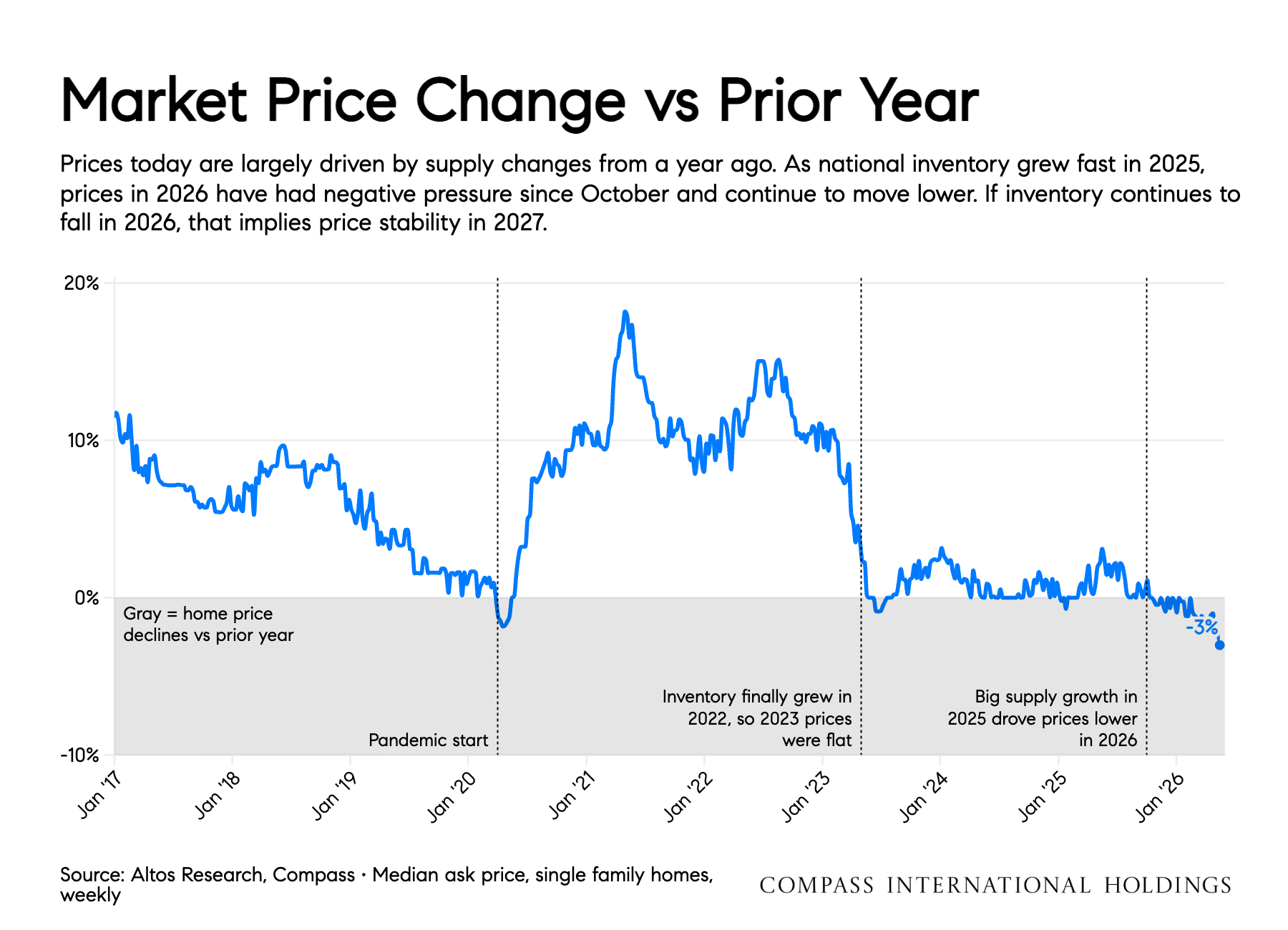
Photo Courtesy of Compass
Austin and Dallas May Be Nearing a Rebound
Markets like Austin and Dallas have spent years dealing with rising inventory and home price pressure. However, recent data shows supply levels beginning to trend below last year’s numbers, a potential signal that these markets may finally be stabilizing.
Photos Courtesy of Compass
Tight Inventory Still Defines Northern Markets
Meanwhile, many northern metro areas continue to face the opposite problem.
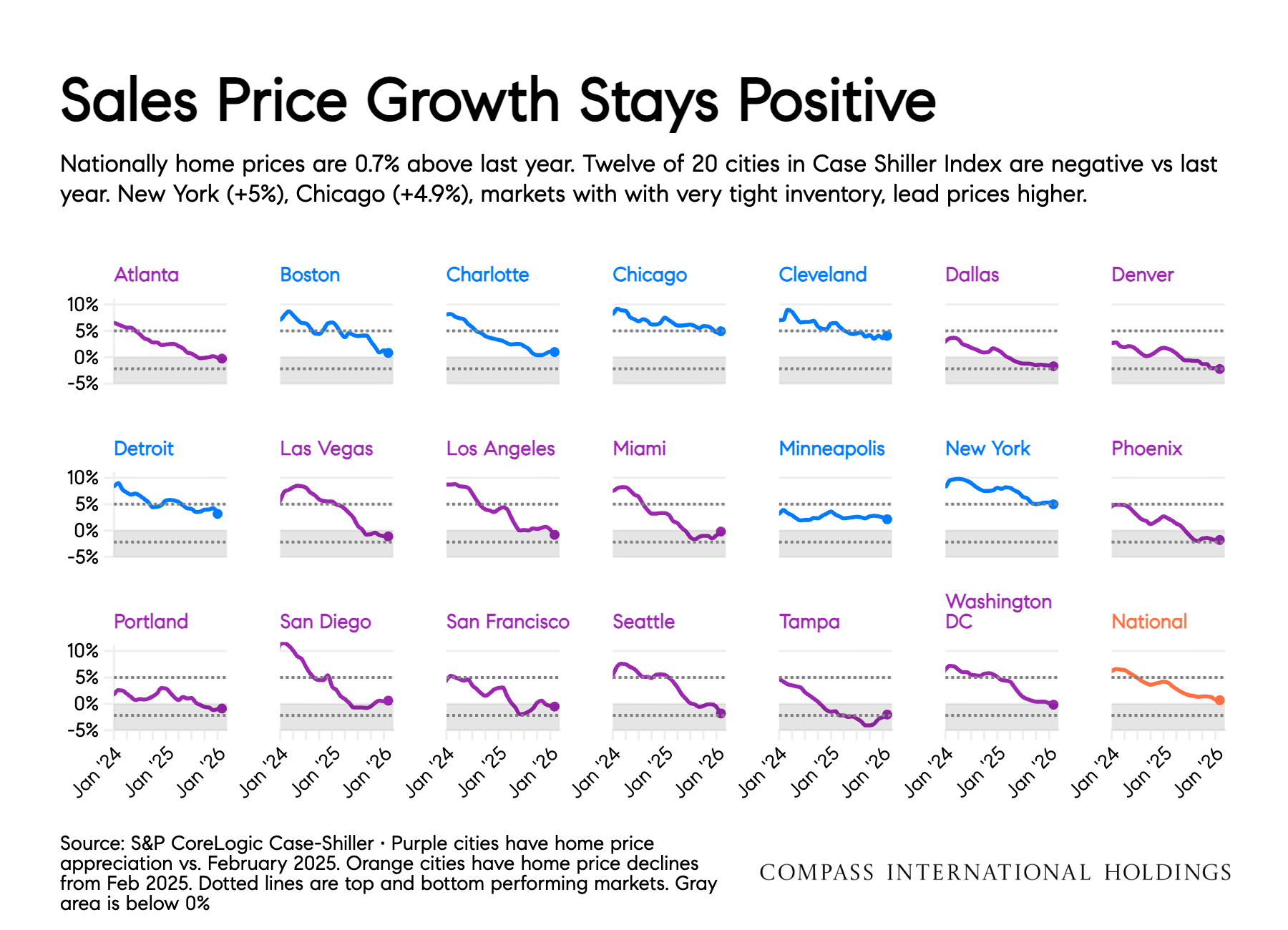
Cities like New York City and Chicago are still experiencing extremely tight inventory, multiple-offer situations, and continued price appreciation.
A continued rebound in hiring, particularly in Sunbelt markets, could eventually encourage more movement and create additional housing supply in northern cities as homeowners relocate for work opportunities.
Photos Courtesy of Compass
What This Means for Buyers and Sellers
The 2026 housing market remains highly localized and nuanced. While mortgage rates and inflation continue to create affordability challenges, improving hiring trends and stabilizing inventory could create opportunities for both buyers and sellers in the months ahead.
For buyers:
-
Competition may remain intense in low-inventory markets.
-
Monitoring interest rate trends will remain critical.
-
More inventory could emerge in select Sunbelt markets.
For sellers:
-
Well-priced homes in desirable areas are still attracting strong demand.
-
Inventory stabilization may support pricing power moving forward.
-
Local market expertise is more important than ever.
As always, real estate decisions should be based on both national trends and hyper-local market conditions. Understanding the bigger economic picture helps buyers and sellers make smarter, more confident decisions in today’s evolving market.
If you’re wondering how these national trends may impact your local market or real estate goals, the experts at The Blackshaw Messel Group are here to help guide you through every step of the process.

Photo Courtesy of Something Blue Photography